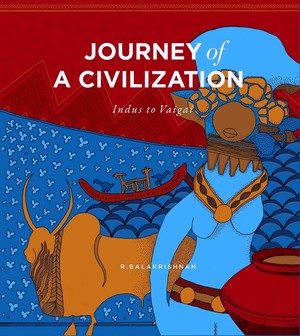
Journey of A Civilization: Indus to Vaigai

Select a cover image

Searching for images...

No images found. Try again later.

Saving cover image...

Journey of A Civilization: Indus to Vaigai

None

4.46/5 · 39 ratings

Journey of a Civilization: Indus to Vaigai seeks to establish common grounds and connecting threads that link the riddles of Indology, namely the authorship and language of the Indus Valley Civilization and the origins of Dravidian language speaking people in general and Old Tamil traditions in particular. Balakrishnan considers these issues to be not only interconnected but two sides of the same…

Reviews

user_19020

Good

user_19019

★ 4/5
Fascinating research into possible linkages between the Indus Valley Civilization and Sangam literature. Interesting theories that the author hopes will be backed up by archeological evidence in the near future. A deep dive into the eternal question of who we are and where we came from!

user_19018

★ 4/5
தமிழ் எடிஷன் காட்டவில்லை என்பதால் இதிலேயே எனது மதிப்புரை எழுதுகிறேன். இது ஒரு முக்கியமான புத்தகம், சிந்துவெளி பண்பாட்டையும், நமது வைகை/தன்பொருநை பண்பாட்டிற்கும் உள்ள உறவுகளை விவாதிற்பதற்கு . கிழடியில் மட்டும் இப்போது (2018-19) தான் சிந்துவெளி எழுத்துருக்களை ஒத்த பொருட்கள் கிடைக்கவில்லை, இதற்க்கு முன்பும் 1959ல் சானுர் என்ற இடத்தில் இது போன்ற எழுத்துருக்கள் கிடைத்ததாகவும் , அதை பற்றி ஐராவதம் மகாதேவன் 2009 ஒரு கட்டுரை எழுதியதாகவும் ஆர் . பாலகிருஷ்ணன் கூறுகிறார் .

user_19017

★ 5/5
This is one of those books which I wanted to read very badly but didn't get the continuous and focused time to do this (I would classify this book as an academic work and blend that with history, you'll understand). Finally, I could spend roughly four full days on this literary marvel and completed what I started roughly two years back. This book necessarily focuses on two unsolved mysteries. The growth and decline of the Indus Valley civilization (IVC) and the pre-history of the Dravidian culture. The author puts forward the theory that IVC and the Dravidian culture are the same and substantiates with different archeological findings and various other theories. The methods used for the analysis and evidence tracked to assert the claim are unique and trustworthy. Being from the southern part of India, this book will provide answers to many of the cultural ideas and practices which you see as well as follow. It will eventually make one feel proud about the culture and the societal framework constructed around in this part of the country. I feel some of the findings from the archaic literary work discussed in this book will be appreciated better if one has some prior background but nonetheless not much is lost because of this as the author takes special care in explaining the intricate details and makes it palatable for readers from various background. A must-have and a must-read book if you are a history buff.

user_19016

★ 5/5
Iravatham Mahadevan said , " I have an objection, Why do we still call this a Dravidian Hypothesis; its no longer a hypothesis, it is indeed Dravidian " - the Indus Valley Civilization. By the end of this book, you will know why he said that - the proofs are overwhelming. I was completely blown away by this book. There is so much archeological artefacts present in the Indus Valley sites with no literary explanations in Vedic or any other Indian literature. There is so much literary explanations for the Indus Valley in Sangam literature, but the geographical location of TN does not match the Sangam literature. For example, there is no desert in the current geographical location of TN, but Sangam literature is full of desert descriptions and about camels. A BONE-EATING CAMEL is not present in any Indian literature other than Sangam corpus. How is this possible and how did the Sangam poets knew these exact details of Indus geography and culture - this is because when people migrate, the stories and their gods migrate along with them and those remembrances are documented at a later stage at a different location while the content of those stories belong to the location they came from. As R Balakrishan sir says, ' Sindhu Samaveli Vitta Idamum, Sangathamizh Totta edamum onre ' The onomastic studies leading to KORKAI-VANJI- THONDI (KVT) complex, the hill gods like Murugan, the epigraphy connections, the town planning continuation, the Hi-West Low-East framework in Dravidian languages, the color RED & COPPER, the POTS, MOTHER GODDESS worship, the VANNI TREE, the JALLIKATTU, the WIND PATTERNS and much much more establishes this beyond doubt. The recent discoveries from KEELADI and ADICHANALUR and the potsherds establishes the umbilical chord between Indus and Dravidian culture beyond any doubt. Am sure one of these days, a ROSETTA STONE would be found and that would be the day to hit the nail on its head completely. Every Indian, especially every South Indian, especially every Tamil speaking individual should read this magnum opus.

user_19015

★ 5/5
https://youtu.be/1NXw14CMzeY?si=ereH9...

user_19014

★ 5/5
This book tries to resolve the space-time gap between Indus Valley Civilization and the Dravidian population in South India. The research centres around the ancient settlements in and around Madurai, Adichanallur, Keezhadi included. Since the IVC script is yet to be deciphered, the author has looked in to commonalities in culture in terms of names of places, topographies mentioned in ancient Tamil literature, sports like Jalli-katu etc. The research draws a lot from the most ancient Tamil literature, the Tolkappium. Comparative Research on Pottery, city structure like "Mel" and "kil" makes it interesting to read and understand. A well researched thesis work but written in such a way that it is not as dry as a thesis work. Knowledge of Tamil will be an added advantage while reading the book, even though words from all South Indian languages are used in the study. Warning - The book is 5 kg in weight!

user_19013

★ 5/5
The idea of a civilization journeying across a subcontinent is in itself very novel and quite fascinating. The author sets out to shed more light on the twin riddles of Indology, the ‘Indus Riddle’ and the ‘Tamil Riddle’, and how they converge. R. Balakrishnan has meticulously presented the available body of research on multiple disciplines (such as genetics, archaeology, onamastics, etc.) and has convincingly proved the idea of ‘Journey of a Cilvilization’. With his accessible use of language and expression of an inclusive outlook, he appeals not just to the scientific community but also to the masses. There was a conscious effort to show that Indian society foundationally was, is and will always be a plural society. Ignoring the eastern or southern traditions doesn’t do it any favours but only harms the so-called ‘unity’ we always strive for. I found The Rain Forest metaphor describing Indian society to be deeply poetic and profoundly true. I now have a better idea of what's all the fuss about the esteemed Sangam Literature, which I thoroughly enjoyed and deeply connected with. As far as cons go, there were many typos that should have been carefully weeded out and the sheer weight of the book made it difficult to hold on to. However, the charts, the maps, the beautiful coloured pictures and the format of the book add to its readability.
Quotes

“Above all, the very world view, “Every town our home town, every[one our kin - யாதும் ஊரே யாவரும் கேளிர்]” can only emanate from a civilizational wisdom which has seen places, found merit in give and take and is enriched by travels, journeys and migrations.”

“... neither the metaphor of ‘melting pot’ nor of ‘salad bowl’ can accurately explain Indian culture. My preferred metaphor is that of the Rain Forest. The ‘tropical rain forest’ characteristically has a number of layers, each with a variety of flora and fauna adapted for life in that particular layer. The layers include the uppermost ‘emergent’ layer that rises above to form the canopy of the forest, the ‘under-story’ and finally the ‘forest floor’, the foundational core. This emergent layer has its roots in the forest floor that is full of shrubs, vines and fungi... A ‘bird’s-eye view’ cannot reveal this rootedness, the underlying substratum, the under-stories and the forest floor. If the metaphor of ‘tropical rain forest’ is applied to the Indus Valley Civilization, the citadels, the rulers, and the rich merchants with their maritime wealth, the urban structure and its finesse are comparable with the ‘emergent canopy’. Yet the bulk of the demography was at the root – the substratum, from which the mature urban cities emerged... The nature of its religion, the cultural practices, cockfights and bull-vaulting visually represent the ‘under-story’ of the IVC.”

“Starting the history from the South does not mean tampering with the chronology of events or the locus of geography in which the events ought to have taken place. It is about understanding the Rain Forest metaphor of Indian pluralism from another end. The pluralism of the Indus Valley civilization, the pluralism espoused in Sangam texts and the plural realities of contemporary India have a connecting thread of continuity. The Idea of India cannot be appreciated without understanding these connections.”

More Quotes...
Shelves
Nonfiction Anthropology India History R. Balakrishnan book

More like this


சில நேரங்களில் சில மனிதர்கள்

தமிழ் இலக்கிய உலகின் மைல்கல்லாகக் கருதப்படும் இந்த நாவல், சமூகத்தின் போலித்தனங்களையும் மனித உறவுகளின் சிக்கல்களையும் ஆழமாகப் பேசுகிறது. 'அக்னிப் பிரவேசம்' என்ற சிறுகதையின்…
4.46/5 · 39 ratings

அலை ஓசை

இந்திய சுதந்திரப் போராட்டக் காலத்தையும், நாடு தழுவிய பிரிவினையின்போது மக்கள் எதிர்கொண்ட துயரங்களையும் இந்தப் புதினம் மிக ஆழமாகப் பதிவு செய்கிறது. உலக வரலாற்றின் மாபெரு…
4.46/5 · 39 ratings

Thottiyude Makan | തോട്ടിയുടെ മകന്‍

ഇശുക്കുമുത്തുവിന്റെ മകൻ ചുടലമുത്തു. ചുടലമുത്തുവിന്റെ മകൻ മോഹനൻ. സ്വന്തം പാട്ടയും മമ്മട്ടിയും ചുടലമുത്തുവിന് കൊടുത്ത് ഒരു നല്ല തോട്ടിയായിത്തീരാൻ ആശീർവദിച്ചശേഷം ഇശുക്കു…

4.46/5 · 39 ratings

கடல் புறா 1 [Kadal Pura]

Author: Sandilyan

கடல் புறா எழுத்தாளர் சாண்டில்யன் அவர்களால் எழுதப்பட்ட ஒரு வரலாற்றுப் புதினம். சிறீ விசய நாட்டில் இருந்து சோழர் உதவி தேடி இளவரசருக்கும் அவரது மகளுக்கும் சோழ இளவரசரான அந…
4.46/5 · 39 ratings

The Seasons of Trouble: Life Amid the Ruins of Sri Lanka's Civil War

For three decades, Sri Lanka’s civil war tore communities apart. In 2009, the Sri Lankan army finally defeated the separatist Tamil Tigers guerril…
4.46/5 · 39 ratings

அர்த்தமுள்ள இந்து மதம்

கவிஞரின் ஆழமான ஆன்மீகத் தேடலையும், வாழ்வியல் அனுபவங்களையும் ஒருங்கே வழங்கும் ஒரு பொக்கிஷமாக இந்தப் படைப்பு திகழ்கிறது. இந்து மதத்தின் தத்துவங்கள், சடங்குகள் மற்றும் ஆச்சாரங்க…
4.46/5 · 39 ratings

வெக்கை

Author: Poomani

சமூக நிலை பற்றிக் கோபமும், மனித நேரமும், கலை வெற்றி கூட்டுவதில் மிகுந்த சிரத்தையும் கொண்டவர் பூமணி. - சுந்தர ராமசாமி சாதாரணமானதொரு பழி தீர்க்கும் கதையாக மு…

4.46/5 · 39 ratings

யானை டாக்டர்

Author: Jeyamohan

Short story about Dr.V.Krishnamurthy.

4.46/5 · 39 ratings

வீரயுக நாயகன் வேள்பாரி, முதல் தொகுதி

"சங்க இலக்கியப் பாடல்களின் வழியாக, ஒரு பூவின் மகரந்தத் துகள் அளவிற்கு மட்டுமே கிட்டும் வரலாற்று நுண்குறிப்புகளைக்கொண்டு, யூகிக்கவியலாத பெருங்காடே புனையப்பட்டிருக்கிறது.<…
4.46/5 · 39 ratings

IBPS Banking Exam Book

No description added

4.46/5 · 39 ratings

பொன்னியின் செல்வன், முழுத்தொகுப்பு

பொன்னியின் செல்வன் - அமரர் கல்கி எழுதிய புகழ் பெற்ற தமிழ் வரலாற்றூப் புதினமாகும். 1950 - 1955 ஆண்டு வரை கல்கி வார இதழில் தொடர்கதையாக வெளியிடப்பட்டது. இப் புதினத்துக்கு…
4.46/5 · 39 ratings

பொன்னியின் செல்வன், பாகம் 5: தியாக சிகரம்

One of the greatest books ever written in Tamil by Amarar Kalki - A historical fiction based on the life of Raja Raja Chola - one of the greatest …

4.46/5 · 39 ratings