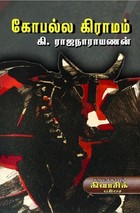
The book in very simple terms explains the history of the Tamil merchant class. A good read.
Too many conjectures are derived from scarce data points. Came across some interesting tidbits nevertheless. It's a pity that CBSE never paid justice to history down south.
Learn about the trade in ancient Tamil country and the role of temples http://www.anureviews.com/merchants-o...
The book is authored by Kanakalatha Mukund with a foreword from Gurcharan Das. Hope Goodreads team changes it in first place.
The book details about the early exploits of Tamil Kingdoms and the merchants. The book draws its sources from Tamil literary works such as Silappadhikaram & Manimegalai. The conclusions detailed are drawn from a majority of literary sources and very few archaeological sources. Hence, the tone of the book takes a make believe route rather than hit the nail with established facts. Tamil History doesn't provide empirical results mainly because it has no good records. But this book is a good attempt in establishing the fact that merchant community thrived in the medieval ages and had stretched their limit to south east Asia. Overall, a good read.
If you are looking to be surprised by the research, you may well have to work hard to finish the book. While it seems like a slim paperback, it is not really inflight reading. This is a serious piece of research and feels that way too, which is a pity, given that it could have been much more interesting. There are several serious historians who have managed to make history accessible to readers who have no assignments or thesis to write.
With the focus on northern Indian history, very little is taught about the history of the southern kingdoms in Indian schools. History teachers in schools would do well to read this book, if only to realise that several aspects of modern Indian society are presented here - Indian society before the caste system, international political and trade relationships, development of currency and mercantilism, the importance of the temple beyond religion, and democracy as an institution which was independent of the dynasty - something we would do well to understand and appreciate in India today - given how weak our institutions seem to be.
This book could well be useful to historians and researchers and one hopes that the likes of Guha, Bibek Debroy and Dalrymple read it so that it forms the basis for books by them which can be enjoyed by the masses.
Though a quick read, does not give the impression of having been researched deeply to find unknown tidbits.
A short review of trade in the Tamil region from the Chola era to medieval ages. The book does a decent job of trying to make a coherent sequence of events and the evolution of trade. Unfortunately, there are few facts which can actually be verified with archeological or documentary and several sources cited are inferences from classic Tamil literature like Manimegalai and Silambathigaram. The writing is dry and near academic. 3 stars.
It is not an easy task to capture the history a thousand years stretching from the Sangam era to the end of the Chola empire, yet the author does manage to give us a glimpse into the world that the traders and merchants of the Tamilakam inhabited. We learn about their ports, their guilds, their trade with Rome and and South East Asia, of the goods they traded in and they way the admisntered their nagarams or towns. A good starting point for a journey into this fascinating world.
The title of this short book caught my attention as it hinted at a topic I was quite curious about but had only rudimentary knowledge from various sources. India's southern region covering today's Tamil Nadu, Kerala, Puducherry, Lakshadweep, and southern parts of Andhra Pradesh and Karnataka, in ancient times was called Tamilakam. This entire peninsular region has been endowed with abundant natural resources and a long coastal line favorable for maritime activities. This short book seeks to examine the commercial history of the most productive period of the ancient Tamilakam region between period 300 CE to 1100 CE with a focus on maritime trading, role and contribution of merchants and state administrative units in the economy of the region and society in general.
From the early 5th century CE till the late 12th century CE, Tamilakam was ruled by powerful empires of Chola, Pallava, and Chera kingdoms. During their reign, India not only witnessed a huge expansion of maritime trade from the ancient ports of the coromandel and Malabar coasts in the Indian ocean but also observed a revival of Hinduism through Shaiva and Vaishnava bhakti movement with its circle of influence reaching out to southeast Asian neighboring nations. At the ancient ports of Poompuhar, Arikamedu, Mamallapuram, and Muzhiris, local merchants swapped spices, silk, and ivory with textile, wine, wheat, and gold coins brought by merchants from great seafaring empires of Rome, Egypt, Greece, Persia, and China.
The most remarkable feature of the world of Tamil merchants is the fact that the temples build by these empires played a central role in the sustenance and growth of the economic, social, and political life of the people of south India. An entire chapter is devoted to analyzing the synergy of Temple, Nagaram, and Merchants.
The book draws heavily from the following sources.
1. Literary Tamil epics are written in the last Sangam period notably Manimekalai and Silappadikaram;
2. Archeological pieces of evidence or numerous inscriptions found in the ancient capital cities or port towns of these kingdoms. Many archeological and historical evidences are even found in places in southeast Asia, the middle east and as far as in Europe by virtue of their trading relations with India in ancient times.
3. Accounts of contemporary geographers and an anonymous first-hand account, Periplus of the Erythrean Sea, written in 75 CE probably by a roman merchant describing the ports of east and west coasts.
Literary sources are not considered too reliable when drawing conclusions about historical periods as they may lack chronological accounts or may even be portraying an idealized or fictional world, claims the author. Hence, the analysis is further corroborated with the archeological evidences where possible.
I felt that the book barely begins to skim over a subject that is too vast in scope to be addressed in such a short piece of writing. Besides, I felt the narrative in the book could have been made more coherent and engaging. Be that as it may, I think I have gained quite a few insights from reading this book.
AR ரகுமானின் "புயல் தாண்டியே விடியல்" என்ற பாடல் வெளியாகி இருக்கும் அதே சமயத்தில் தான் தமிழ்நாட்டின் முதலமைச்சர் MKS தொழில்முறை பயணமாக அரபு அமீரகத்துக்கு சென்றுள்ளார், முதலீடுகளை ஈர்ப்பது முக்கிய நோக்கம் என்றாலும் அங்கு பரிமாறிக்கொள்ளப்பட்ட அன்பளிப்புகளின் வரலாற்று முக்கியத்துவத்தை கொண்டு இந்த நூல் அறிமுகத்தை தொடங்கலாம் என்று நினைக்கிறேன்.
தமிழ்நாட்டில் இருந்து சென்ற முதல்வர் புத்தகங்களையும்(Journey of a Civilization: Indus to Vaigai,Karunanidhi A Life ), அரபு அமீரகத்தை சேர்ந்த அமைச்சர்கள் கப்பலின் மினியேச்சர்களையும் பரிமாறிக்கொண்டார்கள். தமிழ்நாடு இயல்பிலேயே, அதாவது ஆங்கிலேயர்களின் வருகைக்கு முன்பே அயல்நாட்டு வணிகத்திலும் வர்த்தகத்திலும் செழித்தோங்கிய மண் என்பது தெளிவு.
இங்கிருந்த பண்டங்களை தாண்டி சிந்தனைகளும், மேற்குலகோடும் தென் கிழக்கு ஆசிய நாடுகளோடும் பகிரப்பட்டே வந்துள்ளது. ஒருமுனை பகிரவாக அல்லாமல் இரு தரப்புகளும் தங்களுக்கிடையிலான பண்டங்களையும் சிந்தனைகளையும் பரிமாறிக்கொண்டார்கள். அதன் காரணமாக தான் வணிகத்தில் ஒரு நிலைத்தன்மை(balance of trade) நிலவியுள்ளது.
சங்ககாலம் முதல் 14 ஆம் நூற்றாண்டுவரையில் நடந்த உள்நாட்டு மற்றும் அயல்நாட்டு வணிகம் பற்றியும், வர்த்தக நடைமுறைகள் பற்றியும், அச்சமயத்தில் நிலவிய சமூக-அரசியல் சூழல் பற்றியும் இந்நூல் விவரிக்கிறது. சங்க இலக்கியங்களையும், இடைக்கால கல்வெட்டுகள் மற்றும் தொல்லியல் பொருட்களை வைத்தே இந்த அவதானிப்புகள் நிறுவப்பட்டுள்ளது. எழுத்துரு பெறாத வரலாற்றுக்கு முன்பிருந்தே இத்தகைய வணிக போக்குவரத்துகள் தமிழகத்தில் நிலவியிருக்கும் என்கிறார் நூல் ஆசிரியர் Kanakalatha Mukund.
சங்ககாலம் முதல் சோழர்களின் வீழ்ச்சி வரை தமிழகத்தின் வணிக போக்குவரத்துக்கு மற்றும் உள்நாட்டு வர்த்தகம் பற்றி புரிந்துகொள்ள முக்கிய ஆவணமாக "The World of Tamil Merchant" நூல் இருக்கும்.
Periplus of the Erythraean Sea என்ற புத்தகம் சங்க காலத்தில் நடந்த கிரேக்க வணிக தொடர்புகளை விவரிக்கிறது. “யவனம்” எப்படி ஒரு திசை பெயராக பயன்படுத்தப்பட்டதோ “திராவிடம்” என்ற சொல்லும் தென் இந்தியாவை (குறிப்பாக தமிழ்நாட்டை )குறிக்கும் திசை சொல்லே என்கிறார் முனைவர் KRS. இங்குள்ள முக்கிய துறைமுகங்களும்(புகார், கொற்கை, தொண்டி) வணிகம் நடந்ததற்கு முக்கிய சான்றாக இருக்கின்றன.
பல்லவர் காலத்திலும் பாண்டியர் காலத்திலும் அரசின் உதவியுடன் வணிகம் நடைபெற்றுவந்தது. உள்நாட்டு வணிகம் அரசியல் நிலைத்தன்மையால் சிறப்பாக நடைபெற்றது. சந்தை வர்த்தகம் தடையின்றி நடைபெற சமூக அமைதி முக்கியம். அத்தகைய சமூக அமைதி உள்நாட்டு வர்த்தகத்தை ஊக்குவித்தன என்பதை இடைக்கால பக்தி இலக்கியங்களும் விளக்குகின்றன. சோழர் காலத்தில் நடைபெற்ற படையெடுப்புகளின் மூலம் கடாரம், இலங்கை போன்ற பகுதிகளில் தமிழ் வணிகர்களின் நிரந்தர இடப்பெயர்வும் நடைபெற்றது.
தமிழகத்தின் கிழக்கு கடற்கரையில் கண்டறியப்பட்ட சீனத்து பீங்கான் மூலம் தென்கிழக்கு ஆசியாவிற்கும் தமிழகத்தி��்கும் இருந்த தொடர்பு வெளிப்படுகிறது. இடைக்காலத்தில் தான் தென் கிழக்கு ஆசிய நாடுகளை இந்து மன்னர்கள் கைப்பற்றி ஆட்சி செய்ய தொடங்கினார்கள். இத்தகைய நாடுபிடிப்பும் வணிகம் அமைதியாக நடைபெற முக்கிய பங்குவகித்தது.
ஊர், ஊர் சபை, நாடு, கோட்டம், நகரம் போன்ற அமைப்புகள் வர்த்தகம் சிறப்புற நடைபெறுவதற்கான உருவாக்கப்பட்ட நிறுவனங்களாக செயல்பட்டன. நகரமும், கிராமமும் இப்போதிருப்பதை ���ோல் முரண்பட்ட ஒன்றாக இல்லாமல் ஒன்றோடொன்று பிணைக்கப்பட்ட ஒன்றாகவே விளங்கியது. நகரம் என்பது சந்தை வர்த்தகம் நடைபெறும் இடம் என்றளவிலேயே இருந்தது.
பக்தி இயக்கம் செழித்தோங்கிய சமயத்தில், வர்த்தகம் நடைபெற கோவில்கள் நகரத்தின் முக்கியப்பகுதியாக விளங்கின. வணிகர்கள் கோவிலுக்கு நன்கொடைகளை வழங்குவதன் மூலம் மன்னர்கள் மற்றும் மக்களிடையே நன்மதிப்பை பெற்றனர். இதன்மூலம் வர்த்தகம் சிறந்த முறையில் நடைபெற்றது.
போர்கள் நடந்த சமயத்திலும் அரசியல் சூழல் நிலையற்றதாக இருந்தசமயத்திலும் அயல்நாட்டு வணிகமும் உள்நாட்டு வர்த்தகமும் தடைபடாமல் செயல்பட்டதற்கு காரணம் வணிகர்கள் பெற்ற நன்மதிப்பே ஆகும். மன்னர்களும் வணிகத்தின் முக்கியத்துவத்தை உணர்ந்த காரணத்தினால் வர்த்தகத்திற்கு எவ்வித தடை இல்லாமலும் கூடுதல் வரி விதிக்காமலும் பார்த்துக்கொண்டார்கள். விஜயநகர பேரரசு காலத்திலும் சபை, ஊர், நாடு, நகரம் போன்ற அமைப்புகள் உறுதியுடன் இருந்ததை இதை வைத்து புரிந்துகொள்ளலாம்.
இப்படியாக புத்தகம் ஒரு பறவையின் பார்வையில்(Bird's-eye View) கடல் வணிகம் பற்றியும் உள்நாட்டில் நடந்த வர்த்தகம் பற்றியும் எளிமையாக விளக்குகிறது, தமிழ்ச்சமூகம் சந்தை வர்த்தகத்தில் கொண்ட ஈடுபாடுகளை இதன் மூலம் புரிந்துகொள்ள முடிகிறது.
நேற்று வெளியான ஏற்றுமதி தயார்நிலைக் குறியீட்டில் தமிழ்நாடு(score: 56.84) 4ஆம் இடத்தில உள்ளது, முதல் இரண்டு இடங்களை குஜராத்(78.86) மற்றும் மகாராஷ்டிரா(61.72) மாநிலங்கள் பிடித்துள்ளன மூன்றாவது இடத்தை கர்நாடக(61.72) பெற்றுள்ளது. இவை நான்குமே கடலோர மாநிலங்கள். நமது கடல்சர் சாத்தியங்களை 21 ஆம் நூற்றாண்டில் முழுவதுமாக பயன்படுத்திக்கொள்ளவில்லை. அதில் கண்டுகொள்ளாமல் விடப்பட்ட சாத்தியங்களை மீளாய்வு செய்து ஆக்கபூர்வமாக பயன்படுத்துவதே தமிழ்நாடு கற்கவேண்டிய வரலாற்று பாடமாகும்.
அந்தவகையில் இந்நூல் முக்கியமான ஒன்றாகும், அகழாய்வுகள் மூலம்
இந்த நூலின் கருத்துக்களுக்கு வலுசேர்க்கும் ஆதாரங்களும் எதிர்காலத்தில் கண்டெடுக்கப்படலாம். பல இடங்களை அனுமானங்கள்(Assumptions) என்ற அளவில் தான் பதிவுசெய்கிறார் நூல் ஆசிரியர். Unrecorded Historiesக்கு உள்ள குறைபாடு என்றே இதை சொல்லலாம்.
குறைகளை நிகர் செய்யும் முயற்ச்சியாகவே முதல்வரின் அமீரக பயணத்தை நான் புரிந்துகொள்கிறேன். உலகமயமாக்கல் என்பது தமிழ் சமூகம் நெடுகாலமாக பழக்கப்பட்ட ஒன்றே, எதிர்காலத்திலும் அது தொடர்வது நமது வளர்ச்சிக்கும் வளங்களுக்கும் வலு சேர்க்கும்.
வாய்ப்புள்ள நண்பர்கள் அவசியம் வாசித்து பயனடையவும்.
For those who needs authentic explanation on tamil trading. good amount of work has went into getting close to probable truth.
lots of speculation. Either there is not much data to go around and write such a book or we need a better researcher. In the end came around with some interesting facts on Tamil merchants and life in ancient times and that's it.
A lot of this book is based on conjecture and derivative history based on literature, but that is what makes you conceptualize a history far exceeding the limits of the book. This is definitely not light reading especially for someone who does not have the context of the region and the rulers. It is a well written thesis with scope for the basis of a pop history book given the ideas it puts forth.
So far this one seems to be a nice book, very informative about the India's Southern Kingdoms and cultures. Author has done a great job, although its about magnificient history of great rulers/merchants who helped to spread prosperity / business here. Many times the author narrates that in the far lands of western countries..India's merchant/rulers and India's wealth was a hot topic of debate and westerns were worried about there draining gold assets.
Inetersting and very revealing............
What is fascinating about the World of the Tamil Merchant, is the way the narrative is structured. Picking up from literary sources from the Sangam period, inscriptions, archaeological sources, and the limited historical material, the author Kanakalatha Mukund carves out a story that is full of the promise of adventure. Merchants on ships laden with rare goods, merchants who sought out new lands, caravans that proceeded overland to trade, small armies that protected these caravans.
more here -
As part of the story of Indian business series this book deals with trade in South India primarily during the Sangam era. The book describes the ample trade between South India and Ancient Rome and Greece. I liked the way the book was written.
Key things I learnt :
- there was so much demand for Indian pepper in Rome that a Roman historian commented that Rome's cash was being depleted
- there were Greek and Roman quarters in many of the big cities of Tamilakam. Foreigners were commonly referred to as yavannas
- there was ample trade between India and South east Asia. However, the book says that the Chinese influence was stronger in SE Asia and the Indian kings and traders recognized that. A map that shows ports in India and SE Asia is very illuminating.
- even though kingdoms would rise and fall trade would always continue unhindered. This seemed like a very important observation and something that the state of the time facilitated
Questions:
- the book only talks about events up to the 13th century. I would have liked an account of what happened after that
- the book does not provide a big picture. What was the relation between South Indian kingdoms and kingdoms in the rest of India?
Wonderful book on ancient Trade & commerce happened in the land of Tamil people. The author has taken good effort in making this book for general Audience rather than making it as archeological essay. Highly recommended for non Tamil audience who are interested to know the business side of ancient Tamils. For Tamil speaking audience this book will kindle the interest to learn the history of Tamil land in-depth.
Book on Business History and Trade
***********************************************
A very underrated subject caught my attention and hence decided to pick up and read this book, after reading this book
about the merchants from Tamilakam I can confidently say the seeds of globalization started way back during this era ie about 1500 years back.
The book draws data and facts from multiple sources to trace and undertand the political,business and trade ennvironment
that was prevalent in Tamilakam. Tamilakam refers to the area in the Deccan plateau predominantly consisting of people
bound by the Tamil language.
Trade with the outside world was something that came naturally to the merchants of Tamilakam, there are many pieces of historical
evidences which show trade happening with Rome in the 2nd and 3rd century, merchants from Tamil country exporting spices in exchange for metals, horses, brocade etc etc from the Roman mechants.
The Sangam Era was also a important phase where trade with the external world only increased with Tamil merchants taking big risks and travelling to China and south East Asia to sell their goods.
There are numerous instances in the tamil epics like Silappatikaram and Manimekalai which talks about the role and the various aspects of trade by the merchants of Tamilakam. Tamil Country had a big advantage of a long coastline and the merchants used it to their advantage to travel by ship across the high seas and establish trade links, the ports of Mamallapuram, Tondi, Nagapattinam were major trading ports built during the 5th-10th century.
The various dynasties that ruled Tamilakam like the Pallavas, Pandyas and the Cholas and their support to the merchant community have been well highlighted. Of all the dynasties the Cholas deserve a special mention as they used military conquest to not just capture new territory but also to grow trade and business.The phenomenon of why urbanization which lead to formation of cities like Kanchi, Madurai, Tanjavur which became major trading hubs and market places has been explained well.
The role of the temples, how they were funded, what standing they had in the socio,political and economic aspects of society during this era is detailed out well in the book. How merchant guilds across different trades were formed to protect their interest and negotiate better is something which we see today also in industry trade associations is also explained in detail. Capital formation, tax structure and collection , city administration , monetisation of state and temple assets are all concepts which were well used in this period itself.
A quick read to get a glimpse of our rich business and trade history.
This is a great book. The author has referred primary sources in tamil and written most of the book. I highly recommend this book to anyone who is interested in economic history of India ...
To begin with, this is an excellent book to understand the maritime trade of ancient Tamil Nadu (𝑇𝑎𝑚𝑖𝑙𝑎𝑘𝑎𝑚). As someone who is not a big fan of an exoticist admiration for ancient history, I was curiously surprised to learn from this book that contextualizing history is more important than conceptualizing it through a contemporary lens. Archaeological inscriptions and Sangam literature were the two major sources for this research.
The maritime trade between the Romans and Tamils had flourished after the inception of the Sangam era, followed by the Chera, Chola, and Pandyas establishing their trade routes extending from the South towards Sri Lanka, Cambodia, and Malaysia. Cotton, clothing, spices, fragrance woods, pepper, and other agricultural products were traded routinely for coins, gold, and silver. Corroborating the findings from the Sangam literature with that of archaeological sources, there were ten key findings addressed in this book:
1. The merchant class were highly literate and often associated with the guilds
2. The merchants were considered an honorable part of the society
3. Golds and coins acted as the medium of exchange for the trade
4. The pattern of trade resembled the eco-zones: 𝑘𝑢𝑟𝑖𝑛𝑗𝑖, 𝑚𝑢𝑙𝑙𝑎𝑖, 𝑛𝑒𝑖𝑑ℎ𝑎𝑙, 𝑚𝑎𝑟𝑢𝑑ℎ𝑎𝑚, 𝑎𝑛𝑑 𝑝𝑎𝑙𝑎𝑖
5. The devolution of powers into different administrative units – 𝑜𝑜𝑟, 𝑛𝑎𝑔𝑎𝑟𝑎𝑚, 𝑚𝑎𝑎𝑛𝑎𝑔𝑟𝑎𝑚
6. The role of the temple as an economic entity
7. Role of trade in the expansion of Tamil kingdoms from South East towards Vietnam, Cambodia, Malaysia, Indonesia, and Thailand
8. Buddhism and Jainism were central to the Sangam literature before the revival of Hinduism under Pallavas (arrival of the Bhakti movement)
9. Class as a prominent marker in a society absent from Caste
10. The frequent military conquest of Sri Lanka under Cholas leading to the substantial prevalence of Tamil merchant groups in Sri Lanka
Awesome Ancients!
The economists say "Wealth of Nations-Adam Smith, is the turning point in the field of economics" but this book shows evidences that "Trade & Commerce" flourished in an efficient way much before (read centuries before) all modern economists.
Author had done justice to the task she had undertaken. Well researched facts & evidences that leave readers spellbound.
At last, I felt proud for our ancestors' knowledge & skill in the art/science of Economics.
One of the best.
Read the review in my blog because it is 4 part long. :)
http://sarathramakrish.wordpress.com/...
http://sarathramakrish.wordpress.com/...
This book is one among a series on the ‘Story of Indian Business’ by various authors, with Gurcharan Das as the series editor. The author, Kanakalatha Mukund is not a historian in the conventional sense, having a PhD in economics. She was on the faculty of Economics and Social Studies of Bombay and Bhopal universities. An economist with a keen interest in history, she has authored many books and lives in Coonoor in the Nilgiris. This volume covers the history of trade in the millennium between the dawn of Sangam Age in the first century CE to the disintegration of Chola power in the thirteenth century CE. Powerful kingdoms arose in the region only around the middle of the period, but commerce thrived even under weak kings underlying the fact that absence of undue intervention in the affairs of the market is more conducive for economic activity than any kind of protection the king can confer on the merchants. Development of the local temple as a factor in the distribution of surplus wealth is also described in detail. The region’s maritime provenance is also examined in the light of the supposed territorial conquest of Sumatra, Malaya and Sri Lanka and consequent expansion of trade between the countries. In the historical context, Tamilakam refers to the region of peninsular south India that lies to the south of the Deccan plateau. On a modern map, this is roughly coterminous with the Indian States of Kerala and Tamil Nadu. However, the author somehow manages to examine the history with a strictly Tamil point of view.
The book incorporates an inspiring foreword by Gurcharan Das, former CEO of Procter & Gamble and now full time writer and a renowned author. Apart from commenting on the text to follow, he makes a good comparison of the societies and economies of India and China. Relative merits of the two societies can’t be compared in a few pages, but Das provides some clear arguments that is elegant due to its simplicity. He also suggests actions on what to do with the immense hoard of treasure found in the cellars of Shri Padmanabha Swamy Temple in Thiruvananthapuram, Kerala.
Major avenues of gainful occupation in ancient Tamilakam were agriculture and commerce. Spices, food grains and pearls were traded for bullion, salt, gemstones, and wine. A brisk trade was ongoing with the Roman Empire when the Sangam Age dawned in the first century CE. Literary and epigraphical evidence in the Tamil country is corroborated by geographical works by noted Roman authors like Ptolemy, Strabo and Pliny. Another great work is the ‘Periplus of the Erythrean Sea’, which is a travelogue of an unknown sailor who travelled to South India. Tamil country served as a hub for international trade. The Roman vessels didn’t venture past India in quest of produce from South East and Far East Asia. Likewise, the sailors from China, Malaya and Sumatra plied their trade only till South India. This made Tamilakam a trans-shipment terminal for the world’s most prominent sea lanes.
Mukund brings to light the real significance of the central position of the temple in Tamil society and commerce. Travellers to Tamil Nadu often wonder at the magnificence of these huge structures in its imposing vastness and the delicate stone carvings. But no clear answer was forthcoming to the straightforward question of what social function did they perform. Mukund details the economically central position of the temple. It received donations in the form of land, cash, jewelry and livestock. In the absence of a welfare state, the crucial task of redistribution of capital was carried out by the temple, which lent the livestock to shepherds for proper rearing and offering loans to the village and town assemblies for executing public works for the benefit of the residents and local economy. Similarly, donated land was given on rent to cultivators. Inscriptions and copper plates preserved in many temples attest to the steadily incoming flow of donations and the systematic redistribution of wealth. Endowment to the temple was sure to ensure religious merit and acceptance in the society to which one belonged.
Many references are seen in this book which are either historically inaccurate or wrong interpretations of ambivalent references in ancient works. It associates the ancient Chera capital of Vanji with Karoor in Tamil Nadu whereas the town was located near Kodungallur in coastal Kerala. Here, the author succumbs to the prevalent school of narrow-minded Tamil historians who want to confine important places of ancient Tamil history within the confines of the present State of Tamil Nadu. Another attempt along this route of Tamil nationalism is the author’s repeated assertions that the Chola kings subdued Sri Lanka in the 11th century and made it a province of Tamilakam. It claims a strong Tamil presence in the island nation going back to Chola times. This point is reiterated almost half a dozen times, seemingly without any necessity. But on closer inspection, one may suspect that it is a clever device to confer respectability on the Sri Lankan Tamils’ demand for a separate homeland in view of the historical right. Incidentally, it may be pointed out that the emblem of the LTTE which drenched Sri Lanka in pools of blood – before being smashed out of existence by the Sri Lankan Army – was the tiger.They borrowed this symbol taking pride in the conquest of Sri Lanka by the Chola kings. Kanakalatha Mukund looks like lending a helping hand to the dreaded tigers with a cue from history, which is a shot in the arm for Tamil nationalism in Sri Lanka.
It is a first principle of historians that the political boundaries of the State to which one belongs should not be construed as the timeless borders over centuries of history. It doesn’t constitute an ‘intelligent field of study’ in the opinion of Arnold Toynbee. Mukund miserably fails to grasp this basic dictum and narrates the history of Tamilakam by forcing the events and places within Tamil Nadu’s present boundaries. The State of Kerala also belonged to Tamilakam and played a crucial role in the political sphere by the presence of Chera capital city there and Roman trade through its ports. In fact, the Romans knew mostly about only the ports on the west coast and it was only much later did they realize about ports on the Coromandel coast. The author is however tight-lipped about Kerala. This shows lack of research and credible resources on the part of the author. Even though she claims that the Chera capital was located at Karoor, she omits the Cheras also, without a single mention in the book! The text falls to the level of misdirected propaganda for Tamil nationalism with the unfounded assertion that the Pallavas and Cholas conquered Malaya, Sumatra and Java. There are tenuous references in the literary sources, but the author naively takes them at face value. If the conquest had indeed taken place, then why was it that we don’t see any relic of Tamil language in those countries, apart from very few artifacts naturally associated with trade? Another baseless premise is that a high level of literacy prevailed in Tamil society in the ancient period (p.41). The evidence suggested is a list of the poets of the era! However great may be their literary merit, it doesn’t reflect on the general state of literacy. This is as flawed an argument like stating that the late-19th century Bengal was high in literacy by quoting the names of Tagore, Bankim Chandra Chatterjee and others.
The book is not recommended as the attempt has not been successful.
The issue with trying to pick up a Historical Narrative from the Sangam and Pre-Sangam era is less to do with the Scarcity of the source than the credibility of the information. Hagiography, Poetic Reading and Epigraphy from the Royal Inscriptions pepper the landscape of time and how a narration is pieced from these, separates a historian from a common bard.
So someone who needs to trace a thread from such a past has to tread very carefully. The secondary Sources one quotes have to be stellar and non contentious. In this I would say Kanakalatha Mukund has walked a tightrope trying to paint the picture of the inception of the Tamil trading community. In doing so, whether she succeeded in that effort is a question that gets answered when we read the book.
The book initially talks about the Tamil society, the evolution of its social and cultural structure. Most part of the book talks about the information gleaned from the literary source by triangulating the information from those sources with Archeological finds and tertiary references. This is the world wide accepted right way, rather than just peddling the narrative from the Literature as a fact, which is what most market variety “historians” do.
While talking about general economics based on the commerce that existed during those days and how it evolved over the time, Kanakalatha clearly debunks the motivated distortion of history that keeps saying that the Indian Subcontinent had the highest GDP that was lost due to foreign invasion. While it was a fact that India, and specifically the Southern part of the Subcontinent along the coast generated wealth due to its geographical advantage and the ability to Market the Spices much sought by rest of the world, the narrative that the invitations dried up these sources is clearly a distortion.
The fact the advancement in Science and subsequent advent of Industrial revolution which all happened in the Mainland Europe and enabled the Europeans to take advantage over those nations in the far east which were not yet ready for the industrial revolution, is a Social Phenomena rarely mentioned. The fact that this would have happened anyway, even if the East India Company and British Invasions had not taken place. It was the Industrial revolution that enabled the supremacy of the Europeans over the native powers in the east and Far East.
Another false narrative grew out of the initial naval Might of the Powers in the Subcontinent was that the Tamils were deliberately scuttled and their Sailor class were culled to give unfair advantage to the European powers. This is also misplaced. The fact that the Powers from the West, with the Industrial Might could build larger and stronger ships than what traditionally used by the Sailors in Thamizhakam and so could take natural advantage in the Sea is rarely mentioned. However, This book points us in the right direction by bringing this fact out.
Nevertheless, from the Sangam time, the book, carefully pointing to Epigraphic evidences from Findings of Eminent, Archeologists like I. Mahadevan and Noboru Karashima, establishes many interesting facts regarding the Trade inside Thamizhakam far from the costal reaches.
It also points to the fact that due to these trading patterns, the society during those times was pluralistic.
While going behind the Social order and its evolution that facilitated Trader guilds, there are two Vital phenomena that are being described here.
The Later Cholas known as Imperial Cholas brought in sweeping changes that define the Watershed moment in History of Thamizhakam.
During the Early Sangam Period and During Initial Chola period, the Social Structure remained pretty stable. The Society had the Administrative powers more or less in a federated way. Each town or village was managed by Representative Assemblies in the form of Sabhai, Ur, or Nagaram based on the Size of the Settlement. While Nagarams managed the larger towns also identified as Nagaram,the smaller towns and Villages had Assembles in the name of Ur or Sabhai. These managed everything from Local Governance to collection of Tax in all these Settlements. The Role of the King was to offer Protection to the Country which is a collection of these Settlements. For this function, a portion of the Tax collected got Remitted to the Treasury of the Kings.
The Bhakthi Movement after the Kalabras rule was a turning point. The pallavas who came after the Kalabras, started changes in this long standing social order. They built Temples with Masonry structures and introduced Land Grants to Brahmins in the name of Brahmadeyam, which was outside the structure of these Federated Administrative units and answered directly to the King.
Later Cholas who superseded the Pallavas adopted what Pallavas started and evolved that into a larger model. There were whole Villages that were given to Brahmins in the name of Chatuvedi Managalams. These also had huge tracts of land that would only be owned by Brahmins outside the control of the Federated Assembles and answered directly to the Kings. The right to collect tax and selection of who can cultivate on these was decided by the Brahmins. They got to select Tenants for these Lands. Most of these lands were exempted from Tax. Also they could Transact with Sabhai, Ur or Nagaram Assembles as if like another Representative Federated Assemblies. This Undermined the power of the representative Assemblies with an Entitlement model. By this process and by a factor explained next, kings now transformed from just being protectors, to a truly imperial authority!
During the time of Early Cholas the Temples were for Spiritual needs of the people and were simple affairs carved out of Rocks and Caves managed by the Communities that those served. However, Pallavas started the Phenomena of Building Temples with Masonry served by Brahmins and to Justify their Upkeep, granted Brahma Desam Land grants to Brahmins. Enter Later Cholas, who, in true imperial fashion, expanded the Temples into Massive Structures built of Stone. There were regular service people dedicated to Temple ranging from those who are retained for the general Upkeep of the Premise, Singers, Dancers to huge Brahmin entourage. In addition it was managed by dedicated administrative body which had the prominent imperial official and other prominent people from the community. The Justification of Chaturvedhi Mangalams came from the need for the Upkeep of Brahmin Community to Propagate and maintain such large Structures. In addition Temples were allowed to hold large tract of Lands purportedly to maintain their function which was managed by the administrative body of the temple. Temples were allowed to transact with Nagarams and Ur. In effect temples were transformed into a seemingly corporate entity with economic might and influence that came with it. They existed in Parallel to exiting Administrative structure, answerable only to the emperor. It is no coincidence that wherever Cholas went they built large temples.
With these changes, merchants and merchants guilds started prospering . Many of them now had access wider source of funds other than the traditional sources of Ur and Nagaram assemblies.
This allowed larger mercantile societies set up along the Chola Conquest across South East Asia and Sri Lanka. These integrated with the local Custom and Community while maintaining their Identity. This helped them to be so successful that they continued to exist in those lands even long after Cholas Fortune dimmed.
The Term Nagarathar was used in those times by the Assembly members of Nagaram. Unlike Ur or Sabhai, Nagaram Assemblies had Large representation by Merchants, however it was also had representation from Communities. During Later Chola TIme, Both Right and Left Hand Communities were also Part of this Nagaram. The Assembly also included Prominant Military and Government Offcial too. All of them thus had the title of Nagarathar, the Merchants Were identified in General with Chetty title. Even this was not Uniform. This Chetty Title had many Merchant Communities including the Itinerant Merchants and those who dealt with Textile yarn. It also spanned across Tamizhakam all the way upto what is part of Karnataka, Kerala and AP today.
Post Chola time, at Some point, both these Titles were now associated with a particular Caste. This Transformation is also characteristic and Symbolic of Hardening of Varna and Associated Caste system that began solidifying Post Bhakthi Movement.
By and Large the Book Talks about the Social Structure of Medieval Thamizhakam and its transformation. However, the details on Mercantile Guilds are only spoken about in the last quarter of the book. In a way that is not Justified with the expectations arising out of the Title. But then I also Noticed that a series of Such Books have been released on various subject with Gurcharan Das’s name -who gave introduction to all those books- more prominently displayed than the Authors of all those book. I am not sure if the issue of Tamil Merchant Guild getting lesser coverage is any way due to this.
The only place I have bit of a disagreement is in the Sweeping way she refers to Thirukkural and its religious identity by pointing to Dubious and Unclear origins of Thiruvalluvar rather than by the things Thirukkural is speaking. This gives a religious identity to that Text and the way she had placed that is inconsistent with the Caliber she has attempted.
However, I think the Author in the end, Presents an interesting narrative that gives a wider understanding of the Social Phenomena behind those periods the book is covering.

![ஒரு மனிதன் ஒரு வீடு ஒரு உலகம் [Oru Manidhan Oru Veedu Oru Ulagam]](/media/_versions/images/books/15845657_small.jpg)
![வந்தார்கள் வென்றார்கள் [Vandhargal Vendrargal]](/media/_versions/images/books/7493659_small.jpg)


![ப்ளீஸ் இந்த புத்தகத்தை வாங்காதீங்க [Please Intha Puthakaththai Vangatheenga]](/media/_versions/images/books/15704921_small.jpg)

![பாரதியார் கவிதைகள் [Bharathiyar Kavidhaigal]](/media/_versions/images/books/9799363_small.jpg)