Murder in Mudukulathur: Caste and Electoral Politics in Tamil Nadu
Select a cover image

Searching for images...

No images found. Try again later.

Saving cover image...

Murder in Mudukulathur: Caste and Electoral Politics in Tamil Nadu

None

4.22/5 · 55 ratings

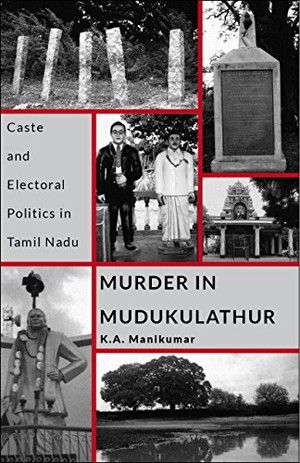
In 1957, intense caste violence broke out in south-eastern Tamil Nadu between the regionally dominant caste of Thevars, and Devendrakula Vellalars (Pallars), a Dalit community. The violence was triggered by the legislative assembly by-election, following U. Muthuramalinga Thevar’s resignation. In the peace conference organized by the local administration, Muthuramalinga Thevar objected to the pre…

Reviews

user_16654

★ 5/5
Must read for anyone like me who is clueless about Tamil Nadu caste politics and learn about one of the many caste violence incidents still haunting the state.

user_16653

★ 5/5
Probably one of the best books you would read on caste politics in Tamil Nadu in 60s. Well researched and written in a compelling way!

user_16652

★ 4/5
A very difficult read elaborating on the sequence of events leading to the caste violence that erupted in southern TN in 1957. Caste violence in TN isn’t new or isolated. But it’s sickening to read about how lives were lost simply due to ego clashes. The atrocities committed by the so called higher caste people against the lower caste is gut wrenching. It is interesting to note how the Pallars (a Dalit community) under the leadership of Immanuel Sekaran and Perumal Peter, started educating themselves but education was never a priority for the dominant Thevars. What was more important was to make sure the lower caste people never rose out their station. The book doesn’t take sides and objectively reports violence caused by both castes against each other, not to mention police brutality and the eventual politicisation of the situation by political parties.

user_16651

★ 4/5
Thesis work of Caste politics and its conflicts in Mudukulathur. To gain the power of politics, Thevar has largely used his communities. Even Kamarajar used his Nadar community to defeat the muthuramalingam since there is caste conflicts between Nadar and Thevar. Due to both upper caste politics, Pallar community was heavily damaged ,even many lost their lives. Perumal peter is the important person to be noted who encouraged his Pallar community to convert christian since there is caste oppersion. He started school for his people through the christian missionaries. Thevar as a leader to his community forget to encourage them to educate. This led Thevar community to develop better in future. The book is not easy to read as it looks like a thesis paper.

user_16650

★ 4/5
Had only skim-read this book earlier. But glad I returned to it again! This is not an easy read and raises a lot of questions about how to contextualize the Mudukulathur caste violence--as communal, political or both? The author provides an exhaustive account of every group's perspective of the clashes--the police reports, narratives from Thevar and Pallar caste groups, the Opposition leaders. Muthuramalinga Thevar's speeches from this time read like dog-whistles. While communalism and casteism was deeply entrenched everywhere in Tamil Nadu, Manikumar suggests that (like Opposition leaders and CPI-M claimed at the time) violence in Mudukalathur also escalated because the Congress played a strong role in fanning these conflicts. He is a bit ambiguous on this, but he seems to say that they used police violence to consolidate their political hold over this region. It is interesting to note how police violence and excess was debated during this time; there were fascinating critiques of whether police were the appropriate tool to handle social conflicts. Overall, Manikumar records the discrepancy between Congress' history of not advocating for land reforms that would transform Dalits' social position and their politically motivated support of Dalits during this conflict. As a book published by Leftword books, one of the key things he emphasized was the Communist Party's message that caste clashes should not happen; instead, Dalits should organize on class lines and direct their struggles against all feudal practices and demand land reforms. Perhaps this is based on the idea that caste is not only symbolic but also deeply material; this book doesn't explore that argument in depth.

user_16649

★ 5/5
To read my review check this blog https://justice1914.blogspot.com/2021...

user_16648

★ 4/5
4.0/5 This book is not biased. And it gives a detailed (and gruesome) account of the Mudukulathur riots. The one thing I liked about this book is my attitude towards caste conflicts. I thought caste conflicts were terrifying and horrifying(Because I have seen movies where caste conflicts were shown in an emotional and gruesome way). But reading this book made me think that those who indulge in these are just kirukku koodhis. This book hasn't written that way but it was what I felt. Let me give you one incident. The self-proclaimed High caste people didn't want the oppressed people to take the water from their well. So, the oppressed dug their own well. Guess what happened. Those self-proclaimed High caste kirukku koodhiyaans threw their defecated feces to the oppressed people's well. At reading this first, it angered me and then I just laughed. (Please Judge me) So, I have been thinking these kinds of people were prideful and terrifying and now it got totally changed. (Bunch of morons) Mostly this book talks about the political scenario of 1950's Tamil Nadu. It did it cleverly without siding with anyone. I will be writing my notes and my view of the political scene this book talked about in my blog. 🙏 Since I am not a non-fiction fanatic, it took me longer to complete this book. So, I didn't give the 1 star because of the statistical part of this book. It was a drag to me and since I have a short attention span I didn't enjoy this book on those parts. As I said before, I dunno how to rate a non-fiction book (and this is a political book too) so .

user_16647

★ 4/5
This is a long review. You may gain new perspective. Read it completely. Book is clear, well-researched, easy to follow. Why should you read this Book If you are interested in Tamil Nadu, Caste, Social Justice, Politics. I took this book to expand my understanding of caste-conflict, history of caste in Tamil Nadu. I want to bring better insight in this. My own insight is the following. Entire narrative of Tamil Society is to gain: , b) and not to lose, . To lose face (kaevalam), is to lose your identity. When someone loses face, they lose their life or standing in society. Japanese soldiers in WW2, would kill themselves instead of being defeated --Why? Because, they lose face and they bring shame to their community. Therefore, killing themselves is more honorable. I would cite anthropologist, Ruth Benedict in The Chrysanthemum and the Sword, for bringing this perspective. She wrote about Japanese culture. This view is not present in any of the discussions in understanding culture. Basic unit of Tamil Culture is family, mother-father’s face (munju) or family name. Next, you are part of a community (caste) or (religion). There is fierce competition to gain face among relatives, caste or religious community through socio-economic ways in Tamil Nadu. One might object that caste ought to be removed. Yes — What would replace that vacuum of social hierarchy of relationship? How would communities represent themselves politically? a) Behaviors can be controlled by shame b) Competition among people c) Families are close-knit d) Loyalty to clan e) Not wanting shame motivates people f) Strict hierarchy: Person knows their role in society a)People are not honest b)People would cover up their short-comings during conversation c)It is actually not a lie when they cover up, it's just they don't want to lose face d)But real relationship starts with vulnerability e)Trust comes through by accepting vulnerability. This is related to the book. Many years ago — I was on a road trip with an American friend. I remember constantly telling him, i.e some castes are violent or bad, their character is bad, their character is to do evil. He stopped the car, and told me, wait, “You are calling someone bad or violent or murderer before they even commit such act.” How can you say it? I could not understand what I was thinking. Apparently, I had labeled people. Before, even they are born, to malign their character. This is clearly wrong. People can change, characters can be changed innately by emulating desirable traits. In Tamil Nadu, even older people, would say, “It’s like it, this community is as such.” Within the narrative of religious tradition it says: i) People are created in the image of their Creator ii) His Creator has reason, dignity, love along with other attributes iii) People are bestowed with these attributes iv) Therefore, people are to be respected, loved with dignity You might contest the above narrative. Good luck forming a secular origin of human dignity. Later, I spent more time to figure out, what was happening. Most of the time, people grow up in a family, and then stay within their community. Now, people hear about other community through the lens of that community. This might be because, the value of the community picks up specific aspects of other community, and labels them. It could be confirmation bias. In this book, author Mani Kumar talks about the riots of Mudukulathur, located close to Ramanathapuram in Southern Tamil Nadu. It’s about two communities — Pallars and Thevars. Mani Kumar gives an account on political history, social justice, caste-conflict among the two communities. In Tamil Nadu political history, caste plays a crucial role. Each community aligns with a political party. There’s gruesome killings on each side of caste. When I was reading through account of it. Few questions came to my mind. A question - one person gets killed for an issue from a caste. And then, the other community kills or retaliates back. But it goes back and forth, where does it stop? What is the point of doing it? In the book or even applying to Tamil society, insight from anthropologists. Apply honor-shame, we can answer, “to gain face.” (Munju) to get, “honor.” or “respect” among others within their community. Author says Education can change people. There has been no contemporary account of caste that matches up Edgar Thurston. Thurston's work is outdated, because it is filled with racial denigration. Sociologists have written about Caste. If you want to know about Caste in Tamil Nadu. I suggest reading, Edgar Thurston. His work is outdated, but some parts of it, might be relevant. Apparently, in 2019, I discovered Edgar was the first to hold Librarian title— Connemara Public Library. Feel free to write a rebuttal to my perspective. Deus Vult, Gottfried

user_16646

★ 5/5
My book review video can be found here--> https://youtu.be/imPkpj_8fwk?si=SzggR... முதுகுளத்தூர் கலவரம் என்றால் என்ன, அது எப்போது நடந்தது , யாருக்கும் யாருக்கும் இடையே நடந்தது , அதன் வரலாற்றுப் பின்னணி என்ன , அதன் பின்னால் இருந்த-இன்னும் இருக்கின்ற அரசியல் என்ன , அப்போதைய தலைவர்கள் யார் யார், உண்மையிலேயே இது சாதிக்கலவரம் மட்டுமா இல்லை அதன் பின்னல் சமூக பொருளாதார காரணிகளும் இருந்தனவா? போன்ற நுணுக்கமான கேள்விகளுக்கான விடையை திரு. மணிக்குமார் அவர்களின் இந்த ஆராய்ச்சி நூல் நமக்கு தருகின்றது. சாதிப்பூசல் போன்ற இருசாராருக்கும் மிகவும் வலியை ஏற்படுத்தும் நிகழ்வுகளை ஆராயும் பொழுது ஒரு பக்கம் சாயாமல் புறநிலை தரவு சார்ந்த, நடுநிலையான பகுப்பாய்வும் , தரவுகளின் அடிப்படிகளினாலான வரலாற்று ரீதியான மதிப்பீடும் மிக முக்கியம் .அதை ஆசிரியர் சிறந்த முறையில் கையாண்டு , தன் களப்பணியினாலும் , விரிவான தரவு சேகரிப்பினாலும் அதை நேர்த்தியாக செய்திருக்கிறார் என்றே நினைக்கிறேன். பாரம்பரியமாக சாதிய அடக்குமுறைகளின் முக்கிய காரணம் வர்ணாசிரம தர்மம் என்கின்ற புரிதல் இருந்தாலும் அதன் உண்மையான முக்கிய காரணிகளாக இருப்பது நிலப்பிரபுத்துவ சுரண்டலும், பொருளாதார ஏற்றத்தாழ்வும் , கல்வியறிவின்மையுமே என்பதை தெளிவுபட இந்நூல் நமக்கு காட்டுகிறது . அதே போல எப்படி பாதிப்பு இரு புறமும் வலுவாக இருந்தது என்பது இந்நூலின் மூலம் நமக்கு தெரிகிறது . மேலும் இந்நிகழ்வு அரசியல் ஆதாயத்துக்காக உணர்வு மற்றும் இன தூண்டுதலாக சிலரால் திசை திருப்பப்பட்டது என்பதும் வேதனை. இந்த பூசலில் சம்பந்த பட்ட முக்கிய சாதிகளின் வரலாற்றை நூலின் பின் பகுதியில் சேர்த்திருப்பதும், நடுநிலையான பகுப்பாய்வும் , தரவுகளின் அடிப்படிகளினாலான மதிப்பீடும் இந்நூலின் சிறப்பு. I think this book touches the core of the issue and addresses the root cause and not the symptoms. சாதிய வன்முறைகளின் உண்மையான காரணிகளை அறிய அனைவரும் வாசிக்க வேண்டிய ஒரு முக்கியமான நூல் .
Shelves
K.A. Manikumar Nonfiction History book Politics

More like this


ராஜராஜ சோழன் [Raja Raja Cholan]

ராஜராஜ சோழனின் ஆட்சி, பொற்காலம் என்று அழைக்கப்படுகிறது. வலுவான சோழ சாம்ராஜ்ஜியத்தைக் கட்டமைத்தவராக கொண்டாடப்படும் அதே சமயம், மக்கள் நலன் மீது அக்கறை செலுத்திய பேரரசராகவ…

4.22/5 · 55 ratings

திரைக்கதை எழுதுவது எப்படி? [Thiraikkathai Ezhuthuvadhu Eppadi?]

திரைக்கதையைப் பற்றிய இந்தப் புத்தகம் என்னை ஆச்சரியத்தில் ஆழ்த்தியது. திரைக்கதையின் வடிவத்தையும் அதன் ஆதார அமைப்பையும் இத்தனை தெளிவாக இவரால் எழுத முடிந்திருக்கிறது. நான் என்…

4.22/5 · 55 ratings

மனிதனுக்குள் ஒரு மிருகம் [Manithanukkul Oru Mirugam]

This book was published as a series in a Tamil weekly, Junior Vikatan a few years ago.

4.22/5 · 55 ratings

கழிவறை இருக்கை

Author: Latha.

இந்நூலில் மிகவும் ரசிக்கத் தக்க அம்சம் காமத்தை வெளிப்படையாகப் பேசுகிற அதேநேரத்தில் சிறப்பாக தேர்ந்தெடுத்த சொற்களின் மூலம் எளிதாக தன் கருத்துக்களை நமக்குள் கடத்தி விடுகிறார்.…

4.22/5 · 55 ratings

Karukku

Author: Bama Translator: Lakshmi Holmström

In 1992 when a Dalit woman left the convent and wrote her autobiography, the Tamil publishing industry found her language unacceptable. So Bama Fa…

4.22/5 · 55 ratings

வீரயுக நாயகன் வேள்பாரி, முதல் தொகுதி

"சங்க இலக்கியப் பாடல்களின் வழியாக, ஒரு பூவின் மகரந்தத் துகள் அளவிற்கு மட்டுமே கிட்டும் வரலாற்று நுண்குறிப்புகளைக்கொண்டு, யூகிக்கவியலாத பெருங்காடே புனையப்பட்டிருக்கிறது.<…

4.22/5 · 55 ratings

கற்றதும்... பெற்றதும்... [Katradhum Petradhum]

ஆனந்த விகடனில் 'கற்றதும்... பெற்றதும்' பகுதியில் பல்வேறு பொருளில் சிந்தனையைத் தூண்டும் கட்டுரைகளை எழுதினார் எழுத்தாளர் சுஜாதா. அவருடைய கட்டுரைகளை வாசிக்கும் ஆர்வமுடன் ஏ…

4.22/5 · 55 ratings

மனிதனும் மர்மங்களும் [Manithanum Marmangalum]

The Book Title Manithanum Marmangalum Written By Madhan is published by Kizhakku Pathippagam

4.22/5 · 55 ratings

கங்கை கொண்ட சோழன் (பாகம் 1) [Gangai Konda Cholan #1]

With an engaging narration of the genius writer Balakumaran, this novel offers an unputdownable read for history lovers. The author tries to be su…

4.22/5 · 55 ratings

வேடிக்கைப் பார்ப்பவன்

தன் வரலாற்று நூல் வரிசையில் முக்கியமான இடத்தைப் பிடிக்கப்போகும் நூல் இது! வேடிக்கை பார்ப்பது என்பது பொழுதுபோக்கு & அது ஒரு பாம்பாட்டியையோ அல்லது கழைக்கூத்தாடியையோ …

4.22/5 · 55 ratings

Hanuman (Amar Chitra Katha)

Hanuman Stands For Extraordinary Physical Strength, Courage And Humility. Above All, He Is Known For His Devotion To Rama. So, It Was Little Wonde…

4.22/5 · 55 ratings

அணிலாடும் முன்றில்

நேசமான எழுத்தாளராகவும், நயமான கவிஞராகவும், தமிழ் இலக்கிய உலகிலும் திரைத் துறையிலும் தனக்கெனத் தனி முத்திரை பதித்தவர் கவிஞர் நா.முத்துக்குமார். கூட்டுக் குடும்பங்கள் முற்…

4.22/5 · 55 ratings