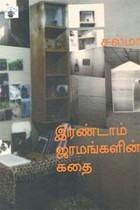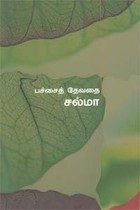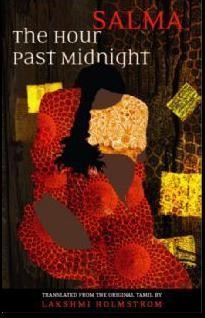
The Hour Past Midnight

Select a cover image

Searching for images...

No images found. Try again later.

Saving cover image...

The Hour Past Midnight

None

Author: Salma Translator: Lakshmi Holmström
3.85/5 · 100+ ratings

Rabia is growing up in a conservative community in southern India. One day, she and her friends sneak off to the pictures. Caught on her return home, Rabia gets a beating from her mother, Zohra, who cries as she beats her daughter into submission. Firdaus is beautiful and of marriageable age. A groom is found for her, a wealthy man who lives abroad. On her wedding night, she takes one look at him…

Reviews

user_14215

★ 5/5
Must Read!! Every character is superbly portrayed by salma. Without any exaggeration, salma has managed to explain the pains of women in her village!

user_14214

★ 5/5
This book made me wish I could read Tamil: it was so vivid and perfect even in English that I can only imagine what it would be like in the original Tamil.

user_14213

★ 5/5
Brings out the female school of thought on the male governed world.

user_14212

★ 3/5
The Hour Past Midnight is a sketch of multiple Muslim women characters in early 90s in a small town in Tamil Nadu. We're introduced to the characters through a small introduction to each of them as they enter the story. There are a variety of characters but bound by some similarities - oppression of women, male dominance, lack of basic freedom and the working class' aspirations. Initially, I felt the characters and their stories to be very different from each other, but as the book progresses, all stories seem alike. Maybe it's just me. Nevertheless, it isn't disappointing. I can understand the language in the book since it's translated and we're talking about rural TN in the 90s. But there were a lot of basic grammar mistakes even in third-person narrations which put me off. Overall, an engaging read and you'll enjoy it if you like stories set in India. P.S. I'd recently read Aruna Chakravarti's The Inheritors, which is a similar setup - stories of Bengali Kulin Brahmins from early 90s. Character sketches and stories progress very similar to this, but is a far better and engaging read.

user_14211

★ 4/5
compelling, refreshingly unpretentious. it is a political truth that, perhaps only salma could deliver. it leaves you seeking the firdauses and rabias in your vicinity.

user_14210

★ 4/5
Very Realistic and no doubt it would provoke one to think about gender equality if hadn't already. This novel sheds light on the sad reality of its female characters and inequalities which feels like at this this time should evolve and change as well.

user_14209

★ 4/5
The novel talks about women of Tamil Muslim society. Story took place in a small village and travels around six families of the village. From the characters of women in all age, we are witnessing their joy, sorrows, pains. Novel explains how the women of the society tamed to accepts the double standard. It questions the injustice via the innocence of the girl Rabiya. It talks about the denial of the basic right in any religion "The right to question". Characters accepts all the injustice in the name of religion. It also touches honor killing which is being questioned by the last moments of the victim. When the novel deals with child marriage, struggles of a widow, denial of education and gender oppression. At one point it documented a voice of all oppressed women regardless of the religion.

user_14208

★ 5/5
Best book i hav ever read

user_14207

A revelation. Observing through my lens of male privilege, the book throws up a heartfelt suffocating account of the women in the prisons of their houses. I was constantly counting my blessings of having a wonderful carefree childhood as I read of girls growing up to be rebuked for every little thing.

user_14206

★ 4/5
சல்மா.. இந்த புத்தகம் நான் வாசிக்க காரணம் அதுவே!! சல்மா ஒரு அரசியல் கட்சி சார்பாக போட்டி இடுகிறார் என்ற விளம்பர பலகையில் படித்தேன்.. சலமா எழுத்தாளர் என்று குறிப்பிட பட்டு இருந்தது. இந்த சல்மா தான் அவர என்ற கேள்வி எழுந்தது.. ஆம் என்றபின் அவருது இந்த புத்தகம் படிக்க ஆவல் .. நம் இஸ்லாமியச் சமூக பெண்களின் வாழ்க்கை குறித்து அவர்கள் அக புற வாழ்வியல் அதில் வேர் ஊன்றி உள்ள கட்டமைப்புக்கள்.. அந்த வாழ்வியல் உடன் நான் பயணித்த அனுபவமே எனக்கு ஒரு தாகிபை தந்தன.. என் வாசிக்க வேண்டும்.. கட்டுகள் வழியாக மனிதன் எதையும் அடையபோவது இல்லை. அடிப்படை உணர்சிகளை எவ்வாறு களைய முற்படுகிறது இவ்வுலகம். வாழ்வியல் சுழல் என்னை எவ்வாறு மாற்றும்.. ரைமா , சொஹரா , மதினா, மும்தாஜ், பிர்தோஸ்.. இவர் யாவும் நாம் தான் நாம் நிதமும் பழகும் மக்கள்... இ���ர்களின் வாழ்வியல்..

user_14205

★ 5/5
There is something very impactful when a silenced voice speaks out and every character in this book feels like someone whose voice in reality would not be heard anywhere. This book is seeped in reality. The story, setting and the characters feel like real life people that you've met somewhere and what is perhaps a little alarming is that stories like these are happening all over the world, even right now. Salma's prose is very fluid and runs smoothly along the book even as the perspective of the writing shifts from one woman to another. The experiences of women of all ages are here and each voice does have it's own point of view. For a book with so many characters, that in itself is a huge achievement! The setting makes you sure that this book is going to be sad. But it manages to rise above just that one-note and hits you with all the emotions before leaving you with that expected sadness albeit with a tinge of hope. Overall, this a beautiful book that definitely needs to be read more!

user_14204

★ 3/5
'The hour past midnight' is a story about women. Not the educated, emancipated and economically independent city-dwelling women like us, but about those women who’re still, in this time and age, shackled to their homes and hearth, by notions of religion, by society and sometimes, by themselves. It’s a poignant narrative of the lives of the women in a small south Indian town, of their everyday struggles and worries, of relationships, of love and hatred, and of death. The author, Salma, herself is from a small-time town in Tamil Nadu (a south Indian state), with a very conservative society that expects women to be silent and tied to the kitchens of their homes. As the note the book says, she shocked this society when she published her first book of poetry. I first read about the author and the book in a newspaper article, and got a chance a while later to pick up the book. I’m glad I did. The book traces the lives of a bunch of Muslim women, their children and their omnipresent omnipotent men. There’s Rabia, a little girl, whose innocence and naivete touches us so profoundly. There’s Firdaus, a beautiful girl who’s forced to marry an older man, one whose very sight she finds repugnant and whom she refuses to accept and so walks out, on her wedding night. And then we have Wahida, who goes to her new in-laws’ house with a fairy tale dream and is shocked at what reality actually brought to her. The author shows us women from all walks of life – the well-to-do, the educated, the poor and the destitute and no matter how different each is, they’re all bound by the fact that their lives are not theirs to live. They’re constantly pushed and pulled around by the men in their households, by their extended families, by friends and neighbors. We also get a glimpse of their way of life, how they celebrate their festivals and the daily prayers and rituals. That was one of the things I enjoyed about the book, that it helped me learn a lot more about a culture that I’ve always been seeing around me, but knew little about! Another highlight is Lakshmi Holmstorm’s translation – never once did I feel that it was a work of translation! The prose was so effortless, even in places where the Tamil influence was very tangible. I’m not a fluent reader of Tamil, but I know enough to feel that the original would’ve been that much more touching because the translated English version is! At approximately 470 odd pages, one might feel the book dragging along, around the half-way mark, but then it was never too boring to give up entirely. Pick it up, if you’re the kind who enjoys reading about different cultures and religions, about little women and big dreams.

user_14203

★ 4/5
இது முற்றிலும் பெண்களால் நிரப்பப்பட்ட நாவல். பெண்ணின் அகவுலகை ஆணின் பார்வையிலிருந்து பார்த்துப் பழகிய நமக்கு இதுவொரு புது அனுபவமாக இருக்கும். நாவலின் மையக்கருத்தை பின்னட்டையிலிருக்கும் குறிப்பிலிருந்து ஓரளவு அறிய முடிகிறது. இஸ்லாமிய சமூ��த்தைப் பற்றிய படைப்பாக்கப் பிரதிகள் தமிழில் அதிகம் வெளியாவதில்லை, வெளிவந்தவையும் ஓர் ஆணின் பார்வையிலிருந்தே அமைந்து வந்துள்ளது. முன்னுரையில் குறிப்பிட்டது போன்று "முதல் ஜாமத்தைக் காட்டிலும், விபரீதமானது - கனவுகள் பெருகும் இரண்டாம் ஜாமம்". அது எல்லைகளற்றது, கட்டுப்படுத்த முடியாதது, தணல் போன்றது, ஆழ்ந்த நினைவுகளைக் கிளறிக் கொணர்வது. நாவலில் வரும் பகுதிகளைக் குறிப்ப��டாமல், என்னுள் உணர்ந்தவற்றை இங்கு குறிப்பிட்டுள்ளேன். ராபியா என்ற சிறுமியிலிருந்து தொடங்கும் நாவல், அவளிடமிருந்தே முற்றுப் பெறுகிறது. இக்கதையில் கதாநாயகன்/நாயகி என்று யாரையும் குறிப்பிட்டுச் சொல்ல முடியாது, கதையில் பயணிக்கும் கதைமாந்தர்கள் அனைவரும் ஒரு பகுதியில் கதாநாயகராவதும் பின்பு கதையில் சக பயணிகளாகத் தொடர்வதுமாக அமைந்துள்ளது. பெண் உலகம் - சூழ்ச்சி, அடிமைத்தனம், ஏமாற்றம், சுரண்டல் மற்றும் வலிகளால் சூழப்பட்டுள்ளது. நமது குடும்ப அமைப்பில் பெண்களுக்கு கொடுக்கப்பட்டிருக்கும் (ஒதுக்கப்பட்டிருக்கும்) இடத்தைப் பற்றியும், குடும்பம் மட்டுமின்றி வெளிச்சமூகத்திலிருந்து அவர்களுக்கு இழைக்கப்படும் கட்டுப்பாடுகள், சுதந்திரமின்மை, தொடர்ந்து விதிக்கப்படும் பாரபட்சங்கள் மற்றும் சமத்துவமின்மையைப் பற்றி விரிவாகக் கூறுகிறது. திருமண உறவின் மூலம் ஏற்படுத்தப்படும் இறுக்கம், உடலியல் சார்ந்த துன்பங்கள், மறுக்கப்படும் காமம், அவளைச் சுற்றி நிகழும் சுரண்டல்கள் என பல்வேறு விடயங்களை பகிங்கரமாகச் சொல்கிறது. பெரும்பாலும் பெண்கள் ஆண்களின் தேவைகளுக்கு மட்டுமே பயன்படுத்தப்படுகின்றனர், இன்றும் அது தொடர்ந்துகொண்டே வருகிறது. பெண்ணுலகம் முற்றிலும் வேறுபட்டது, பெண்கள் தனியாகக் கூடுமிடத்தில் பேசக்கூடிய விடயங்கள் நம் கற்பனைக்கு முற்றிலும் அப்பாற்பட்டது. அந்தரங்க விடயங்களை குழுமமாகப் பேசுவது விசித்திரமானதாகத் தோன்றினாலும், அது விரக்தியின் வெளிப்பாடாகவுள்ளது. பெண்களால் பெண்களுக்கு இழைக்கப்படும் துன்பங்கள் ஆண்களால் இழைக்கப்படுவதைக் காட்டிலும் மிகுதியானது. ஆண்கள் இழைக்கும் தவறுகளைப் பெண்கள் ஏற்றுக் கொள்வதும், அதைத் தொடர்ந்து ஆதரிப்பதுமானக் குடும்பப் பின்னல் அமைக்கப்பட்டுள்ளது. உதாரணமாக பூப்பெய்தியவுடன் அவர்களின் கல்வியும் மறுக்கப்பட்டு, சிறுவயதிலேயே திருமணத்திற்கு தள்ளப்படும் நிர்பந்தமே பரவலாக உள்ளது. தனது மகளின் திருமண விவகாரத்திலும் கணவனின் தலையீடே அதிகமுள்ளது, அது தவறெனத் தெரிந்தும் தடுக்க இயலாத நிலையே உள்ளது. இஸ்லாமிய ஆண் ஒருவன் வேற்று மத பெண்ணை வைப்பாட்டியாக வைத்திருப்பது அவர்களுக்குத் தவறாகப் படவில்லை, அதே சமயம் வேற்று மதத்தினரைக் காதலித்து மணப்பது மிகப்பெரிய குற்றமாகக் கருத்தப்படுகிறது. கணவனை இழந்த பெண்ணிருவர் வேறொரு ஆணுடன் தொடர்ப்பிலிருப்பதும், இறுதியில் துர்மரணமடைவதுமாக உள்ளது. மரபு மீறல்கள் ஆங்காங்கே வந்து செல்வது தவறாகத் தோன்றவில்லை, (பெண்களுக்கான) மரபு என்பது ஆண்களால் வகுக்கப்பட்ட ஒன்றுதான். வைப்பாட்டி வைப்பதும், கருக்கலைப்பு செய்வதும் மரபு மீறல்கள் தான்! நாவல் முழுவதும் பெண்ணுலகின் துன்பங்கள், வலிகள் பற்றி விரிவாகச் சித்தரிக்கப்பட்டுள்ளது. இங்கு குறிப்பிடப்பட்டுள்ளது இஸ்லாமிய சமூகப் பெண்களுக்கு மட்டுமின்றி பெரும்பான்மையான பெண்களுக்கும் பொதுவானதாக உள்ளது. நாவலாசிரியர்கள் தொடத் தயங்கும் சிக்கலான கருக்களத்தை நேர்த்தியாகக் கொண்டு சென்றது மிகவும் பாராட்டுக்குரியது. இஸ்லாமிய சமூகத்தில் நேரிடையான அல்லது மறைமுக எதிர்ப்பைப் பெற்றிருக்கும் என்பதில் எவ்வித ஐயப்பாடுமில்லை. வலைதள உலாவலில் பெரும்பாலும் எதிர்மறை விமர்சனங்களையே காணமுடிகிறது. இதில் இன்னும் சிலர் ஒருபடி மேலே சென்று இது ஒரு பக்கச்சார்பு கொண்ட கோணல் கதை என்றும் விமர்சித்துள்ளனர். ஆனால் எனது பார்வையில், இந்நாவல் இஸ்லாமிய சமூகத்தைப் பற்றியது மட்டுமல்ல இன்னபிற சமூகத்திலும் இதுபோன்ற கொடுமைகள் தொடர்ந்து நிகழ்ந்து வருகிறது. இந்நாவல் பெண்களுக்கெதிரான சுரண்டல், ஆணின் வன்மம் முதலியவற்றை மதம், சமூகத்தின் போக்கு மற்றும் குடும்ப அமைப்பின் மூலம் அவர்களைச் சுற்றிப் பின்னப்பட்டிருக்கும் வலை பற்றி விரிவாகக் கூறுகிறது. இந்நாவலை மற்ற நாவல்களைப் போல் அணுகாமல், பெண்ணியக் கூறுகள், உடலியல் சார்ந்த நோக்கில் வாசிக்கப் பட வேண்டும் என்பதுவே எனது பரிந்துரையாகும். வாசித்துப் பாருங்கள், பெண்களின் அகவுலகை அறியும் போது அவர்களைச் சுற்றி நாம் ஏற்படுத்தியிருக்கும் அடிமைத்தனத்தை உணரமுடியும்.

user_14202

★ 4/5
Reading this book felt like I had delved into an entirely alien world.Familiar and yet strange.This book goes into depth about the lives of Muslim women in Tamil Nadu. It seems to deal with nothing more than the daily,humdrum machinations of exisence,the festivals,the gossip and so on,but through these you see so much more.The suffering women go through,their repression and the way they are ostracised if they seek to break the shackles that bind them. Firdaus,Rabia,Rahima,Amina,Fatima,Rabia,the characters that touch your heart are endless but never ending in the complexity of their minds and lives.They are at the same time the victims of repression and the ones who continue to repress others.This is a book that must be read.

user_14201

★ 5/5
This is an one of a kind book that gives the reader the 'rare' insight about the muslim household in early or late seventies. While I haven't read many fiction that speaks, narrates about or get narrated by muslims, I don't think there are actually much written, especially within the tamil literary community. And when you look for narratives that are done by / within/ around islamic women you can be very sure there's almost none. What Salma's novel gives you is just that. Spanning a year in a small muslim community, focusing on not more than 5-6 families who are in someway related to one other, giving just a faint hint about the men, the novel is totally about the women, their oppressed lives, their gifts, their practices, their prides, their prejudices, their love, their lust, their longing and everything else. The book moves chapter after chapter as these women speak their lives, about men, their expectations and their disappointments. Nothing escapes their tongues. From affairs, to gossips , to men, to sex , to other women aged/young/divorced/widowed - everything is seen, spoken about and frankly stripped naked within them. They are believers, they are devoted, they give everything to the almighty they believe in, yet we do come across moments of doubts, questions, frustration from trying to make sense why life is so unfair to them while it isn't the same for men, why despite giving everything they are tested upon, again and again, without an end, eventually letting in to their desires, their temptations, doing the sin they have been preached not to without fully understanding why it is a sin on the first hand. Highly recommended just for exploring the unexplored and giving us a glimpse into it.

user_14200

★ 4/5
The Hour Past Midnight (2009) is the English translation of Irandaam Jaamathin Kadai, originally published in Tamil . I was unfamiliar with the author, Tamil poet Salma, whose extraordinary life and struggle against subjugation have been chronicled in the eponymous film, Salma, which premiered at the Sundance festival this year. I borrowed the book from a neighbor who has been kind enough to open up her bookshelves to me. I am especially grateful, because this book, which seems to be a gift from the author herself to my neighbor, is apparently out of print. I am fortunate that I got to read a book that I would have otherwise been ignorant about, or would have been unavailable to me in any case. The Hour Past Midnight is a women-centered novel set in a conservative Muslim business community in rural Tamil Nadu. Most of the men are away in Singapore, Sri Lanka, or even Saudi Arabia, visiting their home town every few years to marry, procreate, or marry again, bringing gold, sweets and imported Lux soaps. The girls are allowed to go to school until they hit puberty, at which point they are forced to stay indoors, away from the eyes of men who are not family. They also graduate from wearing the traditional blouse and long skirt (paavaadai), to a paavaadai - daavani (a piece of cloth, much like a dupatta, which is draped over the blouse). The girls are now deemed ready for marriage, often to much older men, always arranged, often to maintain kinship or retain property within the extended family. The daavani now gives way to the saree. And so the story follows Rabia, Zohra, Rahima, Madina, Amina, Firdaus, Fatima, Nuramma, Khadija, Farida, Saura, Sherifa, Mumtaz, Nafiza, Sainu, Wahida, and a handful of men - their brothers, husbands, and sons, as they participate in the complex rituals of fasting, feasting, and praying in the holy month of Ramzaan. There are young girls, older girls of 'marriageable' age, young divorcees, young widows, young wives, young mothers, older mothers, mothers-in-law and grandmothers. The story follows the younger girls as they try to make sense of the often stifling world they live in, and hesitantly ask often forbidden questions; older girls as the begin to accept the rules of the community, or in some cases decide to flagrantly break them, and older women who perpetuate the subjugation. The busy narrative weaves the lives of the women together , but the sheer number of characters makes it difficult to keep track of who is who and I often found myself flipping pages to see if Shainu was Mumtaz's mother-in-law or Madina's mother. A family tree at the beginning of the story would have been helpful. Also, a little more detail on the year(s) in which the story is set would have provided more context to it. Salma does repeatedly mention the ethnic riots in Sri Lanka, but since the riots have a long and protracted history, the reader is left uncertain if the year is 1953, 1958, 1977, 1983 or as recent as 2006 (unlikely). The village setting is timeless, and rural life is often unencumbered by technology, and there are little clues in the every day lives of the people. The story has a Tamil Muslim atmosphere, which is both unique and universal. I think that many can identify with Ismail who... ...knew his mother and Amina [his wife] didn't get on. Most certainly this was not Amina's fault but his mother's. She could not endure it that Amina enjoyed the happiness she herself never experienced. This bitterness and the resulting feud is neither Tamil nor Muslim, but perhaps Ismail's realization is especially perceptive. Some of the practices Salma describes are surprisingly familiar, and being Tamil myself, I can relate to Rabia, whose aunt tells her that... A girl should not be lying down at lamp-lighting time. My own mother has rebuked me thus on countless occasions. The language is peculiar too. The translator, Lakshmi Holmstrom, who has considerable experience in translating Tamil fiction into English, has tried to maintain the unique Tamil flavor, which I presume the original is brimming with. For instance, what may seem to some as an awkwardly constructed phase - "lamp-lighting" time, is actually the literal translation of "villaku ethra netram", which in colloquial Tamil means "the time at which lamps are lit" - at dusk. But sometimes, I wondered if some of the meaning was not quite lost in translation. Take the many times characters begin their dialogue with "that is..", as in... That is, I want to ask you something… That is, how many husbands can a woman have? That is, I've decided to wear a davani from tomorrow… "That is" is, again, a translation of "adhu vandhu" (I'm guessing), which is used as something of a filler in colloquial Tamil. Though there is no perfect translation, I am unsure if "that is" means anything to the non-Tamil reader. Also, consider this exchange: "...See if I don't find the same bridegroom for the two of you and see you both married." Rahims teased Rabia. "Go on, Periamma," said [Rabia], covering her face shyly. The "go on" here is not an invitation to continue the banter and the teasing. It is a literal translation of "ponga" which is used to politely and playfully ask someone to "just stop it". Rabia is actually shyly asking her aunt to stop teasing her, and not go on with it. The novel is also peppered with a lot of Tamil words, which I didn't have to stop to think about, but I can't say the same for others. The book made me realize the thin line between maintaining the cultural tone and feel, and being unintelligible or even misleading. I enjoyed the story. I particularly appreciated the characters, whom Salma paints as neither black or white, but a very human grey. Even as she highlights the suffocation that her women experience, some quietly protesting, others welcoming it and even imposing it on their kin, she portrays the community, the lives and marriage as the way they usually are - a mixed bag. Salma also examines how women come to have beliefs, especially those that are generally considered to be repressive, and perpetuate them to posterity. I recommend the book to fellow Tamils and those interested in regional lives. I wish I get a chance to read the Tamil original.

user_14199

★ 4/5
One of the better books written out of India over the last few years, Salma combines the innate drama of the horror of underprivileged female experience with the raw insights of a poet to deliver a compelling character and fast-moving plotline. It's very clear that the novel has an autobiographical element, but considering the bravery of telling such a story in Tamil, the importance of such a book cannot be under-looked.

user_14198

★ 5/5
"இஸ்லாமிய சமூகத்தைப் பற்றிய படைப்பாக்கப் பிரதிகள் தமிழில் அதிகம் வெளியாவதில்லை. வெளிவந்தவையும் ஓர் ஆணின் பார்வையில் இஸ்லாமிய வாழ்க்கையை முன்வைப்பவை. அவற்றில் இடம் பெரும் பெண்கள் வெறும் மங்கலான சித்திரங்கள் மட்டுமே." பின்னட்டையில் இடம் பெற்றிருக்கும் கச்சிதமான blurb இவ்வாறு தொடங்குகிறது. இரண்டாம் ஜாமங்களின் கதையில் இந்த மங்கலான சித்திரங்கள் உயிர் பெற்று ஒளிர்ந்து நாம் இதுவரை அறிந்திராத உலகங்களுக்கு நம்மை அழைத்துச் செல்கின்றன. இக்கதைக்கான சல்மாவின் முன்னுரையின் தலைப்பு "மௌனத்தைப் பேசுதல்". இதைவிடப் பொருத்தமாக இதனை விவரிக்க முடியாது. நூற்றாண்டுகளாக கலைக்கப்படாமலிருந்த இந்த மௌனம் இரண்டாம் ஜாமத்தில் பெரும் நிதானத்துடன் சிதறடிக்கப்படுகிறது. அழகாய், இயல்பாய், அழுத்தமாய் இப்பெண்களின் வாழ்வை அற்புதமாகப் பதிவு செய்துள்ளார் சல்மா. முதல் நாவல் என்பதற்கான தடயங்கள் ஏதுமின்றி ஒரு தேர்ந்த கதைசொல்லியின் வேலைப்பாடுடன் கதை நகர்கிறது. நாவலை முடித்தவுடன் அவ்வுலகிலிருந்து மீண்டு நம்முலகிற்குத் திரும்புவது கடினமாகிறது. முடித்த சில நாட்களுக்கு நம் சிந்தனை இந்த கதையுடனே அகப்பட்டுக்கொண்டிருக்கிறது. பரிதவிப்பு ஓய இன்னும் சில நாட்கள். ராபியா என்னும் சிறுமியின் குடும்பத்தை மையத்தில் வைத்து விரியும் கதை, அதன் வீச்சில் சமூகத்தின் அத்தனை நிலைகளிலும் உள்ள பெண்களின் அக/புற வாழ்க்கையையும், மன ஓட்டங்களையும், அவர்கள் பின்பற்றும் வாழ்க்கை முறைகளையும், கலாசாரத்தையும், அவர்களின் மொழியையும், அவர்களுக்கிடையில் நிலவும் போட்டி/பொறாமை/ஆசாபாசங்களையும் உள்ளிழுத்துக்கொள்கிறது. கதைப்பொருளை அறிந்த நான், இக்கதை மிகவும் மனச்சோர்வு அடையச் செய்யும் எனக் கருதி பல மாதங்களாகக் கிடப்பில் போட்டு வைத்திருந்தேன். ஆனால் முதல் பத்தியைத் தொடங்கியபோதே என் கவலைகள் கரைந்தன. எளிதான நடையும் சுவாரஸ்யமான கதையும் என்னை உள்ளிழுத்து, புத்தகத்தை கீழ்வைக்க முடியாதபடி செய்தன. அதன் அழகிய, தெளிவான பாய்ச்சலின் விளைவு: இரண்டே நாட்களில் இடைவெளியின்றி ஒரே மூச்சில் நான் முடித்தது. 500 பக்க நாவலுக்கு அது ஒரு அரிதான நிகழ்வு. பல குடும்பங்களும் உறவு முறைகளும் கதையின் உள்மடிப்புகளாகப் பின்னிப் பிணைந்திருக்கையில், நூலின் ஆரம்பத்திலிருந்த குடும்ப வரைபடம் மிகவும் உதவியாக இருந்தது. இஸ்லாமிய வழக்குச்சொற்களின் விளக்கங்கள் இறுதியில் இருந்தாலும் அவை கதைக்கு முன்னே இடம் பெற்றிருந்தால் இன்னும் உதவியாக இருந்திருக்கும். அரபு நாடுகளுக்குச் செல்லும் இந்திய இஸ்லாமியர்களின் வாழ்வைக் குறித்த "அஜ்னபி" நாவலை சமீபத்தில் வாசித்த போது அதில் பெண் பாத்திரங்களே பெரிதும் இல்லாமல் நிலவிய இருட்டு இரண்டாம் ஜாமங்களின் கதை வழியே கலைக்கப்பட்டது. இவ்விரு நாவல்களும் ஒன்றுக்கொன்று companion piece ஆக செயல்படுகின்றன. மிகக் கடுமையான கட்டுப்பாடுகளினூடே அன்றாட வாழ்க்கையை நகர்த்தும் இப்பெண்களின் கதையைக் கூற, பிரதான பாத்திரமான ராபியா ஒரு சிறந்த தேர்வு. இச்சிறுமியின் பார்வையில் இளம்பருவத்து அப்பாவித்தனத்துடனும் குறும்புடனும் மகிழ்ச்சியுடனும் தொடங்கும் கதை, சரளமாக கிராமத்திலுள்ள அனைவரின் (பெரும்பாலும் பெண்களின்) பார்வைகளுக்கிடையே தாவி ஒவ்வொருவரின் கடந்த காலத்தையும் வாழ்க்கைப் புரிதல்களையும் விருப்புவெறுப்புகளையும் நாம் அறியச் செய்கிறது. இவ்வாறான புரிதல் ஏற்படுவதன் மூலம் எவரையும் நல்லவர்/கெட்டவர் என்ற தட்டையான மதிப்பீடுகளுக்குள் அடைக்காமல் ஆழமாகப் புரிந்து கொள்கிறோம். பெண்கள் மட்டுமல்லாமல் ஆண்களின் தரப்பு நியாயங்களும் அவர் வழியே கதை நகரும் போது முன்வைக்கப்படுகின்றன. ஓர் மகிழ்ச்சியான தோரணையில் தொடங்கும் கதை ஒரு வருடத்திற்கு நீள்கிறது. இந்த ஒரு வருடத்தில் எல்லாரது வாழ்விலும் ஏற்படும் மாற்றங்களில், கிராம மக்கள் தங்கள் வாழ்வில் எதிர்கொள்ளும் வெவ்வேறு நிலைகளின் பல்வேறு பரிமாணங்களும் வெளிப்படுகின்றன. மகிழ்ச்சியாகத் தொடங்கினாலும் அதன் ஆயுள் குறைவாகவே இருக்கும் என்று எதிர்பார்த்திருந்தேன். எப்போது சோகம் சூழும், எப்போது அனைத்தும் இருளும் என்றபடி காத்துக்கொண்டிருந்தேன். ஆனால், கதையில் பாதி பெரும் சோகம் இல்லாமல் கழிந்தது ஆசுவாசமளித்தது. 350 பக்கங்களுக்குப்பின் மெதுவே வெளிச்சம் விலகத் துவங்குகிறது. பயந்து எதிர்பார்த்தவை நடந்தேறுகின்றன. கதையின் இறுதியில் பெருந்துயரமும் ஆற்றாமையும் ஆட்கொள்கிறது. ராபியா வளர்ந்து அவள் வாழ்வு வீணாவதைக் காணாதது மட்டுமே ஒரு ஆறுதல். வாழ்வில் தங்களுக்கு சந்தோஷங்கள் எங்கு எழுந்தாலும் அவை ஆணாதிக்கத்தாலும் ஆதாரமற்ற கெடுபிடிகளாலும் மன வன்முறையாலும் பொசுக்கப்படுவதைக் கண்டு சலித்த இப்பெண்கள், அடிப்படை உரிமைகள் மறுக்கப்பட்டு எண்ணற்ற கட்டுப்பாடுகளுடன் நான்கு சுவர்களுக்குள் காலம் முழுதும் மனப்புழுக்கத்துடன் உழல்கிறார்கள். இவ்வாறான நிலையிலும் தங்களுக்கான மகிழ்ச்சிகளை ஏற்படுத்திக்கொண்டு, நக்கலும் நகைச்சுவையும் கொண்டு திளைக்கிறார்கள். ஆனால் எந்த மகிழ்ச்சியும் நிலைப்பதாய் இல்லை. தனக்குக் கிடைக்காத மகிழ்ச்சி எவருக்கும் கிடைக்கக் கூடாதென்கிற மனப்போக்கு உண்டாகி, அனைவரும் ஒழுக்கத்தை ஆயுதமாகத் தூக்கிப் பிடித்து உரையாடல்களின் மூலம் ஒருவரையொருவர் தாக்கிக் கொள்கின்றனர். மதக்கட்டுப்பாடுகளை அவர்களே ஆழமாக வற்புறுத்தி, பிறரை அவமானபடுத்தி புண்படுத்துகின்றனர். எந்த பெண் எப்போது சிறிது ஒழுக்கம் தவறினாலும் வாழ்நாள் முழுதும் அதற்கான குற்ற உணர்வையும் அவமானத்தையும் அவள் சுமக்கப்பட வைக்கிறாள். குடும்பம் என்ற சிறைக்குள் அகப்பட்டவர்கள், தங்களுக்கெதிரான நியாயமற்ற விதிமுறைகளை எதிர்த்துக் கிளர்ந்தெழாமல், அதைத் தூக்கிப்பிடிக்கும் அவலநிலைக்குத் தள்ளப்படுகின்றனர். றைமா மட்டும் இந்த வெறுப்புக்கு இரையாகாமல் விதிவிலக்காக இருப்பது பெரும் ஆறுதல். அன்பும் இரக்கமும் தெளிவான சிந்தனையும் கொண்டு அவர் அனைவரையும் கருணையோடு நடத்துகிறார். திருமணத்திற்குப் பிறகு வஹிதாவும் பிறரைப் போல் மாறி விடுவது பெரும் அதிர்ச்சி. தனக்கு இழைக்கப்பட்ட அநீதியை பிறர்க்கிழைத்து ஓயும் சாதாரண ஜீவனாய் அவள் மாறுகிறாள். இந்தியாவில் அனைத்து கிராமங்களுக்கும் பொதுவாக இந்த இரக்கமற்ற தன்மை இருப்பது நிதர்சனம். இஸ்லாமிய சமூகத்தில் பெண்களின் நிலையைக் குறிப்பிட்டு எழுதப்பட்டிருந்தாலும், மதத்தைத் தாண்டி அனைத்து கிராமப்பெண்களுக்கும் இக்கதை பெரிதாகப் பொருந்துகிறது. வசனங்கள் மிக இயற்கையாக அமைந்திருப்பது மிகப்பெரும் பலம். தமிழ் நாவல்களில் வசனங்கள் பெரும்பாலும் செயற்கையாக அமைந்து, மக்களின் இயல்பான பேச்சிலிருந்து விலகியிருக்கும். குறிப்பாக, கெட்ட வார்த்தைகள் இடம் பெறாது. இந்த செயற்கைத்தனத்தை விடுத்து, எழக்கூடிய சர்ச்சைகளையும் பொருட்படுத்தாது, இயல்பான வசனமே இடம் பெற்றிருப்பது ஓர் அரிய சாதனை. போற்றப் பட வேண்டியது. இதுவரை நானறிந்து பெருமாள் முருகன் மட்டுமே இவ்வளவு இயற்கையான வசனங்களை எழுதுவார். கதையை முடித்து அதைப் பற்றி இணையவெளியில் படிக்கும் போது, எவ்வளவு நெருக்கடிகளுக்கிடையில் சல்மா இதை எழுதினார் என்று அறிந்து வியந்தேன். அனைத்து திசைகளிருந்தும் எதிர்ப்பு கிளம்பினாலும், அவர் துணிச்சலுடன் இதை எழுதி வெளியிட்டது அபாரமானது. வழக்கமான தமிழ் நாவல���களின் பாணியில், புத்தகத்தில் இடம் பெற்றிருக்கும் முன்னுரை கதையை பற்றிய அனைத்து தகவல்களையும் அளித்து விடுகிறது. தமிழில் ஏன் spoiler பற்றிய பிரக்ஞை எவருக்கும் இல்லை? இந்த முன்னுரையில் கதையைப் பற்றிய சில நல்ல insights-ஐ அவர் முன்வைத்தாலும், பல அபத்தமான பார்வைகளும் இடம் பெறுகின்றன. இதை எப்படி அச்சிட்டார்கள் எனப் புரியவில்லை. தமிழ் இலக்கிய உலகில் இந்த நாவல் எவ்வாறு பாராட்டப்பட்டது என்று தேடிய போது, பெரும்பாலும் இது புறக்கணிக்கப்பட்டதாகவே தெரிகிறது. ஆங்கிலத்தில் பெரும் வரவேற்பைப் பெற்று Man Asian Booker பரிசுக்கு பரிந்துரைக்கப் பட்டிருந்தாலும், தமிழில் இருக்கும் பெரும்பாலான ஆண் எழுத்தாளர்கள் அலட்சியத்தோடே இந்நாவலை தட்டிக் கழித்திருக்கிறார்கள். ஜெயமோகன் வழக்கம் போல இது இலக்கியமே இல்லை என்றும் தமிழில் பெண் எழுத்தாளர்கள் எவரும் குறிப்பிடும்படி இல்லை என்றும் எழுதியுள்ளார். சில சமயங்களில் இந்த bigotry நிறைந்த தமிழ் இலக்கிய உலகிலிருந்து வரும் நாவல்களைப் படிக்கத் தான் வேண்டுமா எனச் சோர்வு எழுகிறது. பெண்களை இயல்பாகச் சித்தரிக்கும் எழுத்து இந்தியாவில் அரிது. இந்த நாவலைப் போல் கிராமப்புறப் பெண்களின் அன்றாட வாழ்க்கையை அருமையான மொழி நடையுடனும் இயல்பான கதாபாத்திரங்களுடனும் சுவாரஸ்யமான கதையோட்டத்துடனும் சித்தரிக்கும் ஒரு வளமையான கதை இதுவரை வந்ததில்லை. தமிழின் மிக முக்கியமான, மிகச் சிறந்த நாவல்களில் ஒன்று இரண்டாம் ஜாமங்களின் கதை. சல்மா எழுதிய பிற கவிதைத் தொகுப்புகளையும் கதைகளையும் படிக்க இப்போது எதிர்நோக்குகிறேன். Recommended reading:
Shelves
Lakshmi Holmström India Fiction Salma book

More like this


Kallikaattu Ithigaasam

Author: Vairamuthu

Kallikkattu Edhihasam (the epic of Kallikkadu, in literal translation) is one of his novels. It tells the agonising tale of a marginal farmer of a…

3.85/5 · 100+ ratings

ஸ்ரீரங்கத்து தேவதைகள் [Srirangathu Devadhaigal]

‘தேவதைகள்’ என்று சுஜாதா இந்நூலில் குறிப்பிடும் ஒவ்வொருவரும் மனிதர்கள். அவர் வளர்ந்த, வாழ்ந்த ஸ்ரீரங்கத்தில் அழியாச் சித்திரமாக மனத்தில் பதிந்து போனவர்கள். குண்டுரமணி, ‘ஏறக்கு…

3.85/5 · 100+ ratings

அறம் [Aram]

Author: Jeyamohan

அறம் - ஜெயமோகன் : இந்தச் சிறுகதைகள் அனைத்துமே அறம் என்ற மையப்புள்ளியைச் சுற்றி சூழல்பவை. என்னுடைய ஆழத்தில் நான் உணர்ந்த ஒரு மனஎழுச்சி என்னை விரட்ட ஓரே உச்சநிலையில் கிட்டதட்…

3.85/5 · 100+ ratings

பிரிவோம் சந்திப்போம் [Pirivom Santhippom]

'பிரிவோம்... சந்திப்போம்' ஆனந்த விகடனில் தொடராக வெளியானது. முதல் பாகம் முடிந்ததும் உடனடியாக அடுத்த பாகத்தைத் தொடங்காமல் சில மாதங்கள் இடைவெளி விட்டு இதை சுஜாதா எழுதி…

3.85/5 · 100+ ratings

பொன்னியின் செல்வன், பாகம் 5: தியாக சிகரம்

One of the greatest books ever written in Tamil by Amarar Kalki - A historical fiction based on the life of Raja Raja Chola - one of the greatest …

3.85/5 · 100+ ratings

வீரயுக நாயகன் வேள்பாரி, முதல் தொகுதி

"சங்க இலக்கியப் பாடல்களின் வழியாக, ஒரு பூவின் மகரந்தத் துகள் அளவிற்கு மட்டுமே கிட்டும் வரலாற்று நுண்குறிப்புகளைக்கொண்டு, யூகிக்கவியலாத பெருங்காடே புனையப்பட்டிருக்கிறது.<…

3.85/5 · 100+ ratings

ஒரு புளியமரத்தின் கதை

This story captures the complexities experienced by a society in transition. The integral connection between the tamarind tree (protagonist of the…

3.85/5 · 100+ ratings

Thanneer Desam

Author: Vairamuthu

தண்ணீர் தேசம் (Thanneer Desam) கவிஞர் வைரமுத்து எழுதிய நாவல். 1996ல் தமிழ் வார இதழ் ஆனந்த விகடனில் 24 தொகுதிகளாக வெளிவந்தது. கடல், தண்ணீர் மற்றும் உலகம் பற்றிய பல அற…

3.85/5 · 100+ ratings

கொலையுதிர் காலம் [Kolaiyuthir Kaalam]

அறிவியலுக்கும் அமானுஷ்யத்திற்கும் இடையே நிகழும் தீராத போராட்டத்தை முன்வைக்கும் இந்நாவல் கணேஷ் வசந்த் தோன்றும் சுஜாதாவின் படைப்புகளில் பெரும் புகழ்பெற்றதாகும். மனதை அதிர வைக்…

3.85/5 · 100+ ratings

Silappadikaram & Manimekalai

This book is a rendering in English of the Tamil epics ‘Silappadikaram’ and ‘Manimekalai’ written by renowned Tamil poets. Silappadikaram is the s…
3.85/5 · 100+ ratings

வெக்கை

Author: Poomani

சமூக நிலை பற்றிக் கோபமும், மனித நேரமும், கலை வெற்றி கூட்டுவதில் மிகுந்த சிரத்தையும் கொண்டவர் பூமணி. - சுந்தர ராமசாமி சாதாரணமானதொரு பழி தீர்க்கும் கதையாக மு…

3.85/5 · 100+ ratings

Cinnamon Gardens

Set among the upper classes in the gracious, repressive and complex world of 1920s Ceylon (Sri Lanka), this evocative novel tells the story of two…

3.85/5 · 100+ ratings