Fire Bird

Select a cover image

Searching for images...

No images found. Try again later.

Saving cover image...

Fire Bird

None

4.08/5 · 300+ ratings

Fire Bird is a masterfully crafted tale of one man's search for the elusive concept of permanence. Muthu has his world turned upside down when his father divides the family land, leaving him with practically nothing and causing irreparable damage to his family's bonds. Through the unscrupulous actions of his once-revered eldest brother, Muthu is forced to leave his once-perfect world behind and s…

Reviews

user_12537

★ 5/5
“Firebird” by Perumal Murugan, translated from Tamizh to English by Janani Kannan, is my first book by the author. During the few days it took me to read I was engrossed in the book. I found myself involved with everything that was happening in the life of Muthu, the protagonist, and his family. Why has it taken me this long to discover Perumal Murugan? The story covers just a brief period in Muthu’s life – the beginning of a new life away from his village, the home he has always known. As the youngest child of a farming family Muthannan or Muthu, as he is fondly called, grew up as the family baby, everybody’s pet. That is why when their father divides up the family land between his children the mild natured Muthu is shaken out of his naïveté. As the youngest son Muthu gets nothing of value. Initially stunned almost stupefied at the turn of events Muthu soon gathers himself up, with some not so gentle prodding from his wife Peruma. He tries to make his bit of land ready and fertile but finds it is prone to waterlogging requiring a great deal of effort to grow anything. He then takes up delivering loads on hire with the oxen and cart that are his. This offers him a window to the world outside his village. One night when things turn uglier, he is forced to leave his village. This sets him off on a journey of migration to other parts seeking to buy land, set up a permanent home and start life all over again with his wife and three children. The story does not have ‘a beginning, a middle and an end.’ And it is simple, deceptively so……for reading the book feels real, an experience to remember. The narration is leisurely, yet immersive; the writing seemingly simple, yet the book and its characters stay with you. The intricate detail in the storytelling makes it an elevating, absorbing read. I have largely lived my life in big cities except for short interludes in smaller places. Muthu’s life in deep rural Tamil Nadu, set at a time when the world was not connected or mobile, is far removed from mine. Still, I felt transported into his world. The characters, their situations, their emotions, the land all came alive for me as if I was there. Land is central to the life of land-owning families such as Muthu’s. Land creates bitter divisions between them but also offers new beginnings to Muthu, his wife Peruma and their children. As Muthu travels searching for a place that can become their permanent home he encounters land across different terrain, in its myriad manifestations and variations - sometimes stark sometimes subtle but always captivating. Muthu proves to be resilient when faced with uncertainty and challenges, cautious when it comes to making decisions but has easy spontaneity to find joy in the little moments. His absolute faith in his village gods Ayyan and Kooliyayi, and in the omens that he believes come from them to point him in the right direction, is touching. He is instinctively egalitarian, which can be seen in the easy camaraderie he shares with the older Kuppan, his father-in-law’s farm-hand, who accompanies Muthu on his journey into the unknown. Kuppan is a wise and resourceful companion to Muthu. As they journey together Kuppan cooks their meals, helps Muthu assess the suitability of land to buy and occasionally offers words of wisdom, “What can a place do by itself, saami? It is the people from whom a place gets its character.” Peruma, Muthu’s wife, is strong-willed and clear-thinking even though her life is governed by patriarchal rules and norms. The women of the family refer to her as “Raangi” – the insolent – but never to her face for they were wary of her temper! Peruma can also turn on a bit of drama when she wants to - like refusing to eat if she is protesting about something! But when the unthinkable occurs one night it is her refusal to accept injustice and abuse that jolts Muthu out of his unquestioning trust in his father and brothers. In fact, the women of the family – Muthu’s mother and his brothers’ wives - are all assertive in different ways but they do not question the misogyny that rules their everyday lives. Interactions between people in the story, as in life, is often fraught. In contrast are the simple joys of connecting with nature and its other creatures. There is joy in the tenderness with which Muthu cares for his oxen, in Kuppan’s rare moment of eloquence when he speaks about his conversations and games with plants and foliage, in the way Muthu’s ten-year-old daughter Rosa looks after the little goat kids and in the way they prance about and run after her. Peppered throughout the book reading these parts was sheer delight. First thing, when I finished reading the book, I missed being with Muthu, Peruma, Kuppan, little Rosa……. Second a thought – I must get Perumal Murugan’s other books. Third – A big thank you to Janani Kannan for an excellent translation and for making the book accessible to me. One suggestion for Janani – a glossary of the non-English words retained in translation would be helpful especially for non-Tamizh readers. Brilliant Read!

user_12536

★ 5/5
I loved this one better than Maadhorubaagan. It shows the life of landowning castes in West Tamilnadu.

user_12535

★ 5/5
Read this out of Wellington city libraries ages ago. I enjoy reading Perumal Murugan. Kadhaimandhargalin manaporanttangal azhagaga padhivu seyapattulladhu.

user_12534

★ 3/5
ஒரு பெருங்குடும்பத்தில் எழும் பாக பிரிவினையும், அதன் தொடர்ச்சியாய் குடும்ப உறவுகளுக்குள் நிகழும் விரிசல்களும், ஏமாற்றங்களும் ஏற்படுத்தும் மனப்போரட்டங்கள், வைராக்கியங்களென ஒவ்வொரு கதை மாந்தரின் மனப்போக்கையும் வெகு இயல்பாய் காண முடிகிறது. முத்து கண்டடைந்த புது இடத்தை அவர்களின் உரையாடல் மற்றும் முத்துவின் எதிர்கால கனவுகளினூடே நாமும் காண முடிகிறது. எதிர்பாராத நேரத்தில் முத்துவுக்கு நிகழ்ந்த பாக பிரிவினையைப்போல் கதையும் எதிர்பாராத நேரத்தில் முடிந்து விட்டது மிகுந்த ஏமாற்றமளிக்கிறது. இது ஆசிரியர் நினைத்த முடிவை இன்னும் எழுதவில்லையோ என்றே எனக்கு தோன்றுகிறது. முத்து வந்து அழைத்துச்செல்வான் என்ற நம்பிக்கையில் வாழும் பெருமாவைப்போல் காத்திருக்க வேண்டியதுதான்.

user_12533

★ 5/5
Familial bonds are the roots of a person which hold the power to make or break his entire identity. This book takes the readers on an experimental journey of a man who loves and loses his family for deception and greed. He who creates a new identity for his family, having severed the deep rooted bonds with his lineage, ancestral home, his brother. Some books tell us a story, and some take us on a journey where the story doesn't matter as much as the experiences do. This book is one of those masterpieces which can urge you to find extraordinary in the ordinary and appreciate life. It's one of those books which I wish I could read for the first time. The book tries to ratify the teachings of Bhagwad Gita which says, do your duties to your family members, but without mental attachment. Such mental detachment frees you from all emotions. But is Detachment that easy? I wouldn't think so!

user_12532

★ 4/5
பாகப்பிரிவினையாலும் தன் மனைவிக்கு ஏற்பட்ட அவமானத்தாலும் தன் சொத்தை வித்து ஊரையும் உருவுகளையும் உதறி விட்டு, ஒரு புது இடத்திற்கு வந்து புது வாழ்க்கையை ஆரம்பிக்க முற்படும் ஒரு மனிதனின் கதை தான் இந்த கதை. இந்த நாவலின் மைய்ய புள்ளி முத்தனனன் என்பவரின் வாழ்க்கை பற்றியது அல்ல. மாறாக ஒரு மனிதன் இடம்பெயர்வாள் சந்திக்கும் பிரச்சனைகள், சவால்கள், பார்க்கும் மனிதர்கள், முக்கியமாக அவர்களிடம் பேசும் விதம் எல்லாம் யாரும் சொல்லி கொடுக்காமலேயே நம்முள் பல மாற்றங்களை எப்படி நிகல்த்துகிறது என்பதை அழகாக விவரிக்கிறது. கஷ்ட காலங்களில் நம்முடன் துணை இருப்பவர் தான் உண்மையான சொந்தபந்தங்கள். அப்படி வரும் சொந்தங்கள் நெகிழ வைக்கிறது.

user_12531

★ 2/5
It breaks my heart that I did not enjoy this book. Perumal Murugan is one of my favorite authors. His stories often transport you to an unsettling yet calm village set up. And so does firebird. This is Muthu’s story about searching for a new land for his family. HIs life turned upside down when his father divided the land and practically left him nothing, giving majority of their wealth and land to the elder brothers. Murugan paints the most daunting yet beautiful village life. But this story felt like a drag. The over description of every little detail made me want to stop reading multiple times. Owing to him being my favorite author, I sat myself through the book and did not DNF. Just like Murugan’s most of the books, you must give him some time to build up a story. With firebird, it took me a long time to get into the story or understand what’s going on plot wise or with the characters. When it had my attention, I struggled to keep up with the extremely slow paced narrations. Do I recommend this book? No. Read Pyre or Poonachi by Perumal Murugan first if you haven’t. Estuary, too, is a brilliant book by Murugan. You might fall in love with his way of storytelling.

user_12530

★ 5/5
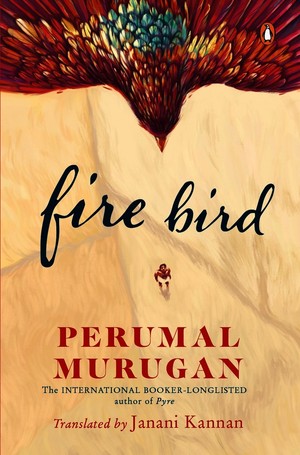
Book Overview: So I took my heart and gave it to Perumal Murugan, the writer. As I read the story, I became anxious for Muthu. I whispered to Kuppan: don’t leave his side. I hope we find a land soon. The level of empathy that Murugan whips up for his characters is legendary. I felt scared as I read through the exchanges between Muthu and the strangers at the Rattoor market and naattamai, God please don’t let anyone steal his 2,000 rupees. Please god, don’t send Subbukodukkan. God, please don’t let Muthu or Rosa die. From the word go, I was hooked into the story. I, like Muthu, wondered why did the right hand ox suddenly turn? As if it was startled by something. It looked up and, given the gorgeous book cover, I thought it had seen the mythical fire bird, the aalanthaapatchi. Later on we know that Muthu’s mother calls Peruma the aalanthaapatchi, the reclusive mythical bid, a man-hater. But I thought it was perhaps Peruma in the form of a fire bird looking out for her husband. Guiding him to find a suitable land for their family. Muthu also alluded that Peruma’s mind is always at the new land. The story is rich, the characters are beautiful, real and extremely emphatic. You’re rooting for Muthu and his family. The master storyteller that he is, Perumal Murugan doesn’t play favorites with his characters. Even the protagonist has shades of grey. Through his characters we can find ourselves–our shades of white, black and so many grey. We look at them through the lens of others. And he crafts such believable characters. The whole business of unfair property division was so believable and real. Perhaps my experience in living in Himachal for the past 6-7 years has made me aware of the property divisions and the heartbreak and crises that follow in its wake. I can understand Muthu’s frame of mind. Being cheated out of something that was rightfully his. And not being able to confront his family. The heartbreak he feels with his eldest brother, who he thought of as his father. The second betrayal that happens when his brother sexually harasses his wife, Peruma. With so much heartbreak, pain, conflicting thoughts about his mother, Muthu is clearly a man on a mission. As a writer, I think Murugan breaks the Fourth Wall, if you will, by telling us that Muthu is an overthinker while Kuppan doesn’t think much: when Muthu is wondering what if they miss catching the rabbit as a sacrifice and food for later on, Kuppan has no such thoughts and he executes the task perfectly. Or when Paati is just picking the stones and not bothering about anything. Muthu lies awake in the night even after drinking arrack; he is aware of the howls of the strangers. It’s as if a creature has strayed into a dangerous jungle and he is all alone and he is fending for himself using his anger (when he asserts himself by asking Kuppan to get him the arivaal when those men from the village come to threaten him), using diplomacy with the new village’s trustee of the temple by offering to build steps and the promise of donation in the future or exercising restraint with Mukoon, the drunken troublemaker of the new village. I love his resoluteness, his resourcefulness. As family, I can understand sometimes men can be too heartbroken and traumatised to confront their family members but that doesn’t and shouldn’t stop them from building a new life for them and their family. Despite the hurt, the disappointment and the unfairness of it all, we must surge past all this and transform ourselves into doing something to tackle a hard situation. I find Muthu’s relentlessness, his perseverance inspiring. We can see Peruma, the daughter-in-law. She works hard in the field back when they were still a part of the joint family. Gives it back to the mother-in-law, who is such a character and a believable one at that, in her own way. As women, as daughters-in-law, it is still fathomable for us, even for Peruma, to leave the ancestral land behind, because of the unfairness meted out to them. But for men, it is a tough call. It is like severing the umbilical cord. Peruma urges Muthu to see past his own mother’s shrewdness when she gives him 684 rs immediately in exchange for his acre, but for Muthu it is an example that his mother is still thinking of him. And I totally get that. Unfortunately, there are women like Muthu’s mother in the world, who set the bar so low with their behaviour that when they do one basic thing it seems like they are the best people in the world. We end up thanking them for it. Her use of language, her crass allusions were quite entertaining. I mean this woman simply couldn’t keep her interactions PG-rated even with her sons! To me, Peruma is a Fire Bird. It is on her insistence that Muthu is driven to set out in search of a land. Her harassment was portrayed in an uncomplicated way. Her treatment at the hands of her MIL after the assault, I think that was the final straw. Peruma understands that there is nothing left for Muthu in his family. They don’t respect him at all. First they cheat him out of his share in the property, and then they attack his wife. The way she looks at her bruised left breast and thinks it is better to cut it off because it will always remind her of how Muthu’s eldest brother groped her in the dead of the night. Casteism, exclusion and inclusion is also a common theme that runs in Murugan’s novels. Here, we see how men like Kuppan have come to terms with it. I loved his character. I loved the old man and woman in Pattoor who taught Muthu how to climb trees and make toddy. I loved how caste dynamics plays into the cultural and professional symbolism of being a tree climber in the village. Muthu says those six months were the best months of his life. The theme is displacement but I also think it is about courage, about love and overcoming heartbreak, disappointment and surging ahead in life despite that. It is about living, about life itself, so what if there are scars. Like Muthu and Peruma, we will learn to survive. Muthu writes simply. I have read his books translated by Janani Kannan and Aniruddhan Vasudevan, and his writing is spectacular. The way he celebrates the ordinary. Every day rural life in Tamil Nadu is brimming with poetry, a love letter to nature, to man, this sacred relationship between a man and his fields. The role of a daughter, a wife in ensuring that the men eat their fill after a hard day’s work, everything comes together so beautifully. I prefer Aniruddhan Vasudevan as Perumal's ideal translator. Janani Kannan's translation is flat and often underwhelming. For example, there is not much substance to the reference point of Peruma being referred to as the titular Fire Bird by her mother-in-law. The book cover hints at a larger meaning, symbolism but the translator has missed that? Leading one to wonder if actual Tamil text offers a more in-depth, rich description into the meaning of the title. When Paati is stung by a red scorpion, she says she doesn’t want to go home. She gives them permission to bury her here and let her body become nourishment for the trees, for the crops. How beautiful is that? This is the reason why I love Murugan so much.

user_12529

★ 5/5
P Murugan's Fire Bird Fabulous writing. The book is filled with fascinating details about farming. Nothing that PM pens can be boring. But as usual the society he writ "es about is shocking. Psychological cruelty within the family that makes no sense and is part of the society he writes about. Nature is as always a vibrant lovely creature and is part of PM's books always. We follow the thoughts and actions of the enterprising Muthu who faces the challenges of life with the help of Kuppanna.

user_12528

★ 4/5
If only I could've read this in Tamil.

user_12527

★ 4/5
சகோதரத்துரோகத்தினால் சாதனைப்பயணம்.

user_12526

★ 2/5
This is my fifth Perumal Murugan novel, following Poonachi and the One Part Woman trilogy. What draws me consistently to Murugan’s writing is his deep empathy for rural life, his remarkable portrayal of animals, and the quiet emotional bonds between spouses especially the tenderness he often writes into marriages. Firebird carries some of those familiar Murugan signatures, but as a whole, it left me disappointed and emotionally unfulfilled. Plot Overview: Muthu, the youngest of four brothers, grows up in his village as the cherished child of the family. With elder siblings significantly older, he is loved and pampered, growing up with the warmth of protection—but that warmth does not last. When the family land is divided, Muthu is handed the smallest, most infertile, and unusable portion. A dry patch with no access to water, no real future. This silent injustice—being cut off from his family’s legacy—crushes him. Unable to live or farm there, and under pressure from his wife who refuses to live on such land, Muthu sets off to find his own piece of earth. Thus begins a long, repetitive, and deeply wearying search for land—one that consumes most of the novel. Even after he acquires land, the struggle doesn’t end. Tilling it, arranging for labor, protecting it, building a livelihood from it—it all becomes Muthu’s single-minded obsession. There’s a brief flare of tension when his elder brother makes a disturbing advance on Muthu’s wife, but it comes and goes without much consequence—just another instance of trauma tucked into the margins. Personal Reflection: Midway through the book, I began to struggle. The pacing felt flat. The cycles of hope and failure became monotonous. And yet, I couldn’t stop reading—partly due to my own anxiety, the compulsion I have to finish what I start. And I’m glad I did, because just when I was ready to give up, something in Muthu’s inner world mirrored my own: his anxiety, his restlessness, the way motivation at night morphs into sleeplessness. That sensation of wanting to begin something so badly that it robs you of rest—I know that too well. I saw myself in those pages, and for a few chapters, the story felt personal again. But that connection couldn’t save the ending. After all the toil, the sacrifices, the obsession, the novel simply ends. There is no resolution with his wife, no reunion, no acknowledgment of what he has built. It doesn’t even leave you pondering—it just stops. It felt careless, like a thread left hanging without the courtesy of a knot. What Still Stands Out: Murugan’s sensitivity to animals, nature, and land remains unmatched. His portrayal of anxiety—not the dramatic kind, but the quiet, functional kind—is deeply relatable. The emotional weight of familial injustice is delicately and believably written. Final Thoughts: Firebird is not a story of success, but of persistence without reward. Of surviving betrayal, obsession, and mental unrest without fanfare. Perhaps that’s the point—but as a reader, I wanted more. A glimmer. A moment of joy. A payoff that says Muthu’s pain meant something. It’s not a book I’d recommend easily, but I won’t forget it either.

user_12525

★ 5/5
Waited to make this felicitous book review as we ushered in the auspicious Pongal festival (Harvest festival celebrated by Tamils to honour and celebrate nature, sun, livestock and farmers who put food on our table.) Translated from the Tamil “ஆளண்டாப் பட்சி” Firebird is an earthy tale of a simple man Muthuannan, a farmer who is displaced from his own agrarian land by his father and brothers. His brothers exploited the age-old village feudal system when they amassed the lion’s share of their ancestral wealth and left the scraps to Muthannan. Indeed a poignant tale of the human condition where the sense of security one draws from his own family becomes grossly miscalculated. Muthu realized he could not resign to fate. However the familial bond held him back from leaving his home despite being severed forcefully from his own land. His wife Peruma becomes ostracised among his family members for having a mind of her own which led to her brother-in-law sexually assaulting her. This was the final straw for her. She packed herself and her children off to her parent’s home. A distraught and humiliated Muthu seeing his family in tethers and being unable to provide for his family in this plight, he upped his sticks to Kongu Nadu in search of new land. The title Firebird / alandapatchi ஆளண்டாப் பட்சி serves as the titular symbol for Peruma being the feisty woman who became the driving force behind her husband to travel in search of new arable pastures. Threading through this story of resilience, Perumal Murugan exposes the disturbing facets of patriarchy, casteism & feudalism alongside illuminating Muthu’s skills set in assessing a land of its fertility for agriculture. Muthu shows the independent side of himself becoming hypervigilant of people and business he dealt with in acquiring new land. The flashback into his training as a toddy tapper revealed that Muthu was a loner, self-sufficient and very capable of being his own man. The story on “Pithalakkaaran” was amusing. Remembered this term used in colloquial usage. Speaking of which, although the regional dialect changes in the story accordingly, the translator Janani Kannan deftly captured the essences. Her transliteration of the dialects and keeping “nga” intact was clever! Special mention to Ahlawat Gunjan for the beautiful book cover!

user_12524

★ 4/5
Aalanthaapatchi(fire bird)... It's the story of Muttu who was pampered the whole life for being the youngest of the family and suddenly one day the whole family left him to his own after the property division. Being the cuddled person who never beared any kind of responsibilities now he has to take it upon himself for the survival of him and his family of four. It's a story of a farmer, a surviver, a common man, a family. The main character I loved in this book is Peruma.. who is clever and fierce. She is the example of 'a woman can make and break a family'. She is the external stimuli the Muttu needed.. she is the guide when Muttu is undecided to which path to take.. Permua doesn't have much of a presence in the book but the time she is present is impactful for the journey of the Muttu. I loved the growth of Muttu.. from being sceptical on how to live to slowly figuring out everything that needed to survive. The translation is beautifully done without loosing the essence of the rural touch and the nuances of the culture present. The author explained the caste irregularities and the societal norms in a very subtle way. He even provided a logically explainations for the past land distribution ratios(the eldest getting the highest part of the land).

user_12523

★ 4/5
Wow, epic! Reading this transported me straight to Muthu’s village, making me feel as if I experienced everything alongside him. I even had to Google what Saaru and Kali were because every time they ate it in the book, it made me crave it! This is a story about belonging and a man's struggle to find a home for his wife and three kids after his parents unfairly divided the property based on age. Being the youngest, Muthu got the smallest and most useless plot of land. Muthu, like all the characters in this book, is so human, written with flaws and weaknesses that you sometimes overlook because you develop such a deep love. Family ties can easily be strained or broken through land negotiations and we see that written so emotionally in this book. Throughout the story, there are many mini stories woven in, revealing each character’s background and helping you understand them even more. Not a single character is one dimensional! While the book was slow in some areas, this pace really aided in character development. Just like farming, it takes time for the crops to grow—similarly, it takes time to get to know the characters. But once you do, they feel like family. I especially loved the friendship between Muthu and Kuppan. It’s so refreshing to see male friendships develop organically. I did get frustrated with Muthu's wife, Peruma; her sarcasm towards him was infuriating, as I felt Muthu didn’t deserve it. He had so much pressure on him, which is often the reality for farmers in some parts of India, the men in these communities bear a lot of responsibility for the family's finances and home. Even though Peruma made me angry I eventually developed a bit of a soft spot for her once I stated understanding where she came from. This book felt incredibly real and refreshing to read, and I would highly recommend it however is there a sequel? It ended quite abruptly! I need to know what happens next. I would give it 5 stars if I knew what happened to Muthu, his family and Kuppan but I have no idea and now I am left wondering...

user_12522

★ 5/5
Detailed review @ https://kalaikoodam.blogspot.com/2025... என் வரையில் ஒரு எழுத்தாளரின் வெற்றி என்பது தன் வாசகனை அந்த கதைக்குள்எப்படி இழுத்து செல்ல முடியும் என்பதில் தான். தனது ஒவ்வொரு புதினத்தில் அந்த அனுபவத்தை எனக்கு பெருமாள் முருகன் தருகிறார். இந்த கதையிலும் அப்படித் தான். என்னையும் முத்து மற்றும் குப்பண்ணாவுடன் புது இடத்தை தேடி செல்ல வைக்கிறார். கரிசல் நிலத்தை அறியாதநான் இந்த புதினத்தின் வாயிலாக அந்த நிலத்தை அறிந்து, அங்குள்ள மக்கள், விலங்குகள், உணவு முறை, பழக்க வழக்கங்கள் என பல விஷயங்களை அறிய நேர்ந்தேன். பாசம் என்ற ஒரு உணர்வு இருந்தாலும் பணம் சொத்து என்று வரும்போது பாசத்திற்கு இடமேது என்று பல சம்பவங்களை காண்கிரோம். அதுபோல் ஒன்றை இங்கும் நமக்கு காட்டுகிறார் எழுத்தாளர். இடம்பெயர்தல், புது இடத்தில் தந்து வாழ்க்கையை மாற்றி அமைத்தல் என்பது அவ்வளவு தத்ரூபமாக இங்கு காட்டியுள்ளார் பெருமாள் முருகன். நம்மில் சில பேர் இந்த அநுபவத்தை கடந்து சென்றிருப்போம் அல்லவா! புது இடம் தேடுவது, வாங்குவது, வேறு ஊரில் வாஸ்த்த தன் வாழ்க்கையை பறித்து இங்கு மீண்டும் புதிதாக நட்டு வளர்த்தும் விதம் மிகவும் நன்றாக காட்டியுள்ளார் எழுத்தாளர். அவர் எழுத்து நடைநம்மை அந்த கதைக்குள் இழுத்து செல்கிறது. செல்லமாக வளர்ந்தாலும் சூழ்நிலைக்கு தகுந்த மாதிரி தன்னை மாற்றி கொண்டு வாழ்க்கையை நிமிர்ந்த பார்வையோடு எதிர்கொள்ளும் முத்து மனதிற்குள் நிற்கிறார். அவனுக்கு பக்கபலமாக இருக்கும் குப்பண்ணன், மனைவி பெருமா, அண்ணன்கள், தாய் தந்தையர், ஊர் தலைவர் என்று பல பாத்திரங்கள் வந்து போகிறது. எந்த பாத்திரங்களும் சும்மா எழுதப்படவில்லை. பெருமா ஒரு முத்துச்சியான வலிமையான பெண்ணாக கட்டப்படுகிறாள். முத்துவின் அப்பா அம்மா சொல்லும் சொற்கள், அவனது அண்ணனால் நிகழும் இன்னல் இவையெல்லாம் நமக்குள்ளும் ஊடுருவி வழியை தருகிறது. குப்பண்ணாவை முத்து நடத்தும் விதம், சரிசமமாக பார்க்கும் விதம், செய்யும் செயல்கள், பதிலுக்கு ஊரைவிட்டு வெளியே இது வரை செல்லாத அவன் எப்படி முத்துவுக்கு உதவுகிறான் என்பதை வாசிக்க அப்படி ஒருமகிழ்ச்சி. முத்துவின் சிறு பெண் மற்றும் பெருமாவின் பாட்டி என்று சில பக்கங்களே வந்து பாத்திரங்கள் கூட அவ்வளுவு பொறுப்பான, வலிமையானவை. 'மாற்றம் ஒன்றே மாறாதது' - இந்த நியதியை உண்மையாகும் விதம் மனிதர்கள் இடை மாறிக்கொண்டே இருக்கிறார்கள்.படிப்பு, வேலை, பிரிவு, துவக்கம் என்று பல காரணங்கள். அதில் வரும் இன்னல்கள், அதை கடந்து போகும் தருணங்கள், அதனால் நம்மில் வரும் மாற்றங்கள் என்று பல விஷயங்களை பற்றி பேசி ஒரு சிறந்த வாசிப்பு அனுபவத்தை தருகிறந்து இந்த 'ஆளண்டாப் பட்சி'.

user_12521

★ 4/5
இது என் அப்பாவின் புது வாழ்கை புது கிராமத்தில் - ௨௦ ஆண்டு - வாழ்கை அனுபவம் , போராட்டம், அனுபவம் ஒத்துபோகிறது.

user_12520

★ 3/5
മനുഷ്യബന്ധങ്ങൾ അറുത്തു മാറ്റപ്പെടാൻ നിസ്സാര കാരണങ്ങൾ മതിയാകും. കൂട്ടുകുടുംബത്തിലെ ബന്ധനത്തിൽ നിന്നും നിർബന്ധത്തിനു വിധേയനായി നാടുവിട്ട് പോകേണ്ടിവന്ന മുത്തുവിന്റെ ജീവിതമാണ് ഈ നോവലിന്റെ ഇതിവൃത്തം. തമിഴ്നാട്ടിലെ ജാതിതിരിച്ചുള്ള ജോലിയും കീഴാളരും മേലാളരും തമ്മിലുള്ള അന്തരവും അതോടൊപ്പം കാണിക്കുന്നു.

user_12519

★ 4/5
"Fire bird" என்னும் ஆங்கில மொழிபெயர்ப்புக்கு 2023 ஆம் ஆண்டிற்க்கான ஜே சி பி விருது பெற்ற நாவல் ஆளண்டாப் பட்சி. "ஓரிடத்தில் நிலை கொண்டு பிறவற்றை எல்லாம் சுற்றுலா பயணி போல கண்டு களிக்கும் வாழ்க்கை ஏன் அமைவதில்லை? நிலைக்கொள்ள போராடுவதுதான் வாழ்க்கையா?" கூட்டுக் குடும்பமாக வாழும் ஒரு உழவு குடும்பத்தில், பாகப்பிரிவினைக்கு பிறகு, உறவுகளின் சிக்கல்களால், நிலையற்று தத்தளிக்கும் முத்து, அவ்விடத்திலிருந்து புலம்பெயர்ந்து வாழ்வில் நிலை தன்மையை அடைய போராடுவதே இந்த கதை. கொங்கு நாட்டுப்புறக் கதைகளில் வரும் ஆளண்டாப் பட்சியின் பண்பினை ( மனிதர்களை அண்ட விடாமலும் அதே சமயத்தில், நல்லவர்களுக்கு உதவும் பண்பு) கதை மாந்தர்களுடன் பொருத்தியிருக்கிறார். கொங்கு மண்டல வட்டார வழக்கு மொழியில் அம்மக்களின் வாழ்வியலையும், விவசாய முறைகளையும், சாதிய அடுக்குகளை பற்றி உணர்ச்சிபூர்வமாக உணர்த்தியிருக்கிறார். விவசாய முறைகளைப் பற்றிய விரிவான விவரங்கள் கதை கருவில் இருந்து விலகுவதாக தோன்றினாலும், கதை மாந்தர்களின் பாத்திரப்படைப்பு நம்மை கதையின் பயணத்தில் மேலும் ஒன்ற வைக்கிறது. கொங்கு நாட்டு மண்ணையும், மக்களையும், காற்றையும், இயற்கையையும் நுணுக்கமாக அனுபவிக்க வைக்கிறது இந்த ஆளண்டாப் பட்சி.

user_12518

★ 3/5
Fire Bird deals with land and the ubiquitous hunt for the sense of belonging. But it's also about life that has been whipped and slapped, and now must be trivialized for any hope of a peaceful future. Muthu's hunt for his new land and home is contrasted against his wife Peruma's static seclusion and her rancid attacks on her in-laws, and yet, rightfully, it is to her the title of the book is unceremoniously conferred. And it's her character that among all is most riveting, and rootable. Her rebellions are limited in the context of the patriarchal world order that envelops her in the villages. And yet, it's those very limits that ultimately set the stage for the story. And that even though you want Muthu to succeed in his quest, it's because it would imply Peruma's peaceful future. There's a delayed causality in Perumal Murugan's narrative style, as he drifts back and forth between different periods, which keeps the curiosity on edge. And as always, his description of the pastoral lands of western Tamil Nadu, the nitty-gritties of gramathu politics, land affairs, and relationships between man and animal/bird are trademark Murugan, lend a vibrant atmosphere to the story. A good novel!

user_12517

★ 4/5
This is the first time, I read murugan's work. After finishing the book, I can't help but find resemblance with the works of Budhadeb Guha. Murugan's style of depicting nature has close semblance with Guha's work. But one thing that sets them both apart is the places. Murugan has showed his prowess on giving minute details of the land, the tamil culture and how villages function as a community. Whereas, Guha's work always takes you to forests of MP and Jharkhand in one way or the another. Anyway, coming back to the story. Murugan has successfully painted an image of Muthu, the last child of an extended family, who grew up under the garb of love and care. But as soon as their father divides the land, he receives a part of an infertile land. As tragedy burrows deeper into his faith, he learns that life is not all about fighting with adversities. But sometimes, flow with it. The novel successfully delves into the lives of people in the villages, their beliefs, their fear and how they live in harmony with the land. The most interesting thing for me turns out to be, Murugan's narrating style. Such profound knowledge of farms has led me to believe that the author has himself lived as a farmer for quite some time. I am really happy that I picked this book. Will definitely recommend to my book club.

user_12516

★ 4/5
Typical Perumal Murugan book. Artfully translated. Captures the pain of family partition, thoughts of farmer, farming, love and help from unexpected people and places.

user_12515

★ 4/5
#341 Book 12 of 2025- ஆளண்டாப் பட்சி Author- பெருமாள் முருகன் பெருமாள்முருகனின் கதைகளைப் படிக்கும் ஒவ்வொருவரும் உணர்வுகளின் ஆழத்திற்கு அழைத்துச் செல்லப்படுவார்கள் என்பதில் சந்தேகமே இல்லை.அவரது எழுத்து எளிமையானது, ஆனால் அதன் உட்பொருள் மிகுந்த தாக்கத்தை ஏற்படுத்தக்கூடியது. “ஆளண்டாப் பட்சி”-இதை நிரூபிக்கும் மற்றொரு படைப்பு. கூட்டுக்குடும்பத்தில் ஏற்பட்ட முரண்பாடுகள் காரணமாக, ஒரு உழவுக் குடும்பம் புதிய இடத்துக்கு புலம்பெயர்ந்து, அங்கு நிலம் வாங்கி விவசாயம் செய்யும் முயற்சிகளைப் பற்றியது. இந்தப் பயணத்தில் அவர்கள் சந்திக்கும் சவால்கள், சமூகத்தின் எதிர்மறையான அணுகுமுறைகள், மற்றும் அவர்களின் போராட்டங்கள் நாவலில் விரிவாக சித்தரிக்கப்படுகின்றன. இதில் வரும் குப்பன்,முத்துவின் உரையாடல்கள் மூலமாகத் தான் முழுக் கதையையும் சொல்லி இருக்கிறார். அத்தனை கதாபாத்திரங்கள், ஒவ்வொருவரும் நம் மனதில் அவர்களுக்கே உரியதொரு இடத்தையும் பிடிக்கிறார்கள். கடைசி பையன்,தம்பி என்றெல்லாம் செல்லம் பாராட்டி,இறுதியில் சொத்தென வரும்போது,தம்பியை கண்டுக்கொள்ளாத அண்ணன்கள், தாய் தந்தையாலும் பெரிதாக உதவ முடியாத நிலை, கைத்தொழிலான விவசாயத்தை நம்பி வேறு ஊருக்குச் சென்று நிலத்தை கண்டறிந்து, வாழ்க்கையை முதலில் இருந்து தன் மனைவி மக்களுக்காகத் தொடங்கும் ஒரு அன்பான விவசாயியின் கதை இது. கொங்கு நாட்டுப்புறக் கதைகளில் வரும் “ஆளண்டாப் பட்சி” என்ற பிரம்மாண்டமான பறவை, மனிதர்களை அண்டாது, ஆனால் நல்லவர்களுக்கு உதவும் பண்பைக் கொண்டதாக கருதப்படுகிறது. இந்தப் பறவையின் இயல்புகள், நாவலில் வரும் பல கதாபாத்திரங்களுக்கும் பொருந்துகின்றன. பெருமாள்முருகனின் எழுத்து நடை, கிராமிய வாழ்வின் நுட்பங்களை நம் கண்முன் கொண்டு வந்து நிறுத்துகிறது.இந்த நாவல், குடும்ப உறவுகளின் நெருக்கடியை, சமூகத்தின் கட்டுப்பாடுகளை, ஆழமாக ஆராய்கிறது.கொங்கு மண்டலத்தின் வட்டார மொழி, அங்குள்ள வாழ்வியல் முறைகள், மற்றும் விவசாயிகளின் வாழ்க்கைமுறைகள் இதில் விளக்கமாக எழுதப்பட்டிருக்கிறது. “ஆளண்டாப் பட்சி” நாவல், மனித உறவுகளின் சிக்கல்களை, சமூகத்தின் எதிர்மறையான அணுகுமுறைகளை, மற்றும் புதிய இடத்தில் நிலைநிறுத்த முயற்சிக்கும் ஒரு குடும்பத்தின் போராட்டத்தை ஆழமாக விளக்குகிறது . பெருமாள்முருகனின் எழுத்து, வாசகர்களை அந்த உலகில் மூழ்கடித்து, கதாபாத்திரங்களின் உணர்வுகளை அனுபவிக்கச் செய்யும். இதுவும் அதே போன்ற ஒரு படைப்பு தான். வாசிக்க வேண்டிய, உருக்கமான, சிந்திக்க வைக்கும் ஒரு கதையாக-ஆளண்டாப் பட்சி

user_12514

★ 4/5
The lovely narrative belies what the title Fire Bird - aalanthaapatchi - seems to imply – that this is the story of a virago She hates the very scent of a man. Like an aalanthaapatchi, a fire bird, she never let anyone come close to her even when she lived here. She flies in quest of human flesh, picking up the trace of a man or woman. If you are not careful, she will use her words to pierce your skin and feed on your flesh. It is a story of a pioneering farming family, narrated with a bucolic touch, with a spiritual flavour that is in close touch with nature. Beautifully translated, although I wish there was a glossary of the names of the trees, plants and the various food items... And is there really a bird by this name or just a descriptive term?

user_12513

★ 4/5
Isn't it magical, how some books transfers you to a world you could never been a part of? One such magical book this is!

user_12512

★ 5/5
Fire bird - perumal murugan ಇದು ತಮಿಳಿನ ಬಾಳಿನ ಗಿಡ. ಪೆರುಮಾಳ್ ಮುರುಗನ್ ಇತ್ತೀಚಿಗೆ ಅತ್ಯಂತ ಪ್ರಸಿದ್ದರಾದ ತಮಿಳ್ ಲೇಖಕರು. ಅವರಿಗೆ ಜೆಸಿಬಿ ಅವಾರ್ಡ್ ಬಂದಾಗ ಸಹಜವಾಗಿ ಕುತೂಹಲ ದಿಂದ ಓದಿದ್ದು. ಅವರ ಹಲವಾರು ಕೃತಿಗಳು ಕನ್ನಡಕ್ಕೆ ಬಂದಿದ್ದರೂ ಓಡಿಸಿಕೊಂಡು ಹೋಗಿರಲಿಲ್ಲ. ಇದು ಬಹಳ ಇಷ್ಟವಾಯ್ತು. ಮನೆ ಪಾಲಾಗಿ ಕೊನೆಯ ಮಗನಾದ ಕಾರಣ ಅನ್ಯಾಯಕ್ಕೆ ಒಳಗಾಗಿ ಊರಿಂದ ಊರಿಗೆ ಹೊಸ ಭೂಮಿಯ ಅನ್ವೇಷಣೆಯಲ್ಲಿ ಅಲೆದಾಡುವ ಮುತು. ಒಂದು ಪಯಣದ ಕತೆ ಅಲ್ಲ ಇದು. ಸ್ವಂತದವರಿಂದ ಅನ್ಯಾಯಕ್ಕೆ ಒಳಗಾದವರ ಕತೆ ಕೂಡ ಅಲ್ಲ. ಇದು ಬದುಕುವ ಛಲದ ಕತೆ. ಇಲ್ಲಿ ಗೆಲುವು ಸಿಗುವ ಭರವಸೆಯಿಂದ ಕತೆ ಮುಗಿಯುತ್ತದೆ. ಆ ಹಾದಿಯ ಕಷ್ಟ.. ಎಷ್ಟೇ ನಡೆದರೂ ತನ್ನದೊಂದು ಜಾಗಕ್ಕೆ ಮನುಷ್ಯ ಪಡುವ ಪಾಡು ಅದ್ಭುತ ಚಿತ್ರಣ. ಎಂದಿನಂತೆ ಕಾಣುವ ಬ್ರಾಹ್ಮಣ ಶೋಷಣೆ ಯ ಚರ್ವಿತ ಚರ್ವಿಣ ಇಲ್ಲಿಲ್ಲ ಎಂಬುದು ಧನಾತ್ಮಕ ಅಂಶ. ಒಳ್ಳೆಯ ಅನುವಾದ.

user_12511

★ 4/5
It is amazing how the story, of young farmer Muttu who went in search of land, leaving his village where he was born and brought up, behind, resonated with me so well. His struggle, of doubting whether he would be able to find land and if at all he does will the resident villagers let him buy it and if at all everything falls into place will the villagers be cooperative and let him cultivate and build a simple life for himself and his family? These and many thoughts bombard Mutthu's mind throughout his journey. Until one day, when he finally finds land and buys it. Though the situation is very different yet I could still feel the hesitation, the uncertainties, which Muttu had about his future as it resonated with my current scenario. And the beauty of this simple story is its depth. On the surface, Muttu's struggle feels so simple but if we dig deep there is so much to comprehend, so much to learn. Sometimes life throws you off guard when your people deceive you and the only thing that is left is starting afresh somewhere else. During this period the only thing that we can do is stay calm and learn from every situation. Muthu learnt from the past by pondering over it and the present by accepting the situation and from people around him be it his servant Kalli, Peruma's Paati or his own daughter Rosa. I've always admired Perumal Murugan's novel which seems simple yet there is a lot of depth both in the story and the characters. The only thing that bugs me in the book is the ending. Yes, we know Muthu finally figured out how to live life on his own but what happens to Paati? Did Peruma come to live with him? This is what is left for us to figure out. I know the author always leaves us with an open ending and I too am not a great fan of a closed-end, lately, but still, there should have been some clue on what happened later. This book reaffirms why I love reading so much.

user_12510

★ 5/5
4.5* ஓர் பாகப் பிரிவினையினால் நிகழும் மனக்கசப்பும் இடப்பெயர்வும் தான் ஆளண்டாப்பட்சியின் மையச்சரடு. அக்காலத்தில் கிராமம் விட்டு கிராமம் மாறி, புது இடம் வாங்கி, குடும்பத்துடன் குடிபெயர்ந்து விவசாயம் செய்ய வேண்டுமெனில் எவ்வளவு சிரமம் என்பது இக்கதையின் மூலம் விளங்குகிறது. பெருமாள் முருகனுக்கே உரிய நேர்மையும், தன்னுள் இழுக்கும் எழுத்தும், எளிதில் மறக்க முடியாத மாந்தர்களும், முற்போக்கு சிந்தனையும், நில/சூழலியல்/விவசாய ஞானமும், சாதீயப் பற்றுகள் இல்லாத தெளிந்த மனமும் ஆளண்டாப் பட்சியில் அவரது முத்திரையாகத் திகழ்கின்றன. அவரின் கதைசொல்லலில் பொதுவாக அன்றாட வாழ்க்கை ஓட்டத்தின் மேல் நினைவுகளாகப் பரவும் கடந்த கால சம்பவங்கள் மெதுவாக வீரியம் கூடி, அணிவகுத்து ஓர் உச்சத்திற்கு வாசிப்பவரை இழுத்துச் செல்லும். Non-linear ஆக கதையைக் கட்டமைத்து, நிகழ்வுகளின் வரிசையை கச்சிதமாகக் கலைத்து படபடப்பை ஏற்படுத்தி நம்மை அவ்வுலகத்தில் மூழ்கடிப்பதில் பெருமாள் முருகன் மிகவும் திறமைசாலி (மாதொருபாகன் இதற்கு சிறந்த உதாரணம் - கதையின் ஆரம்பத்தில் இருந்தே தொற்றிக்கொள்ளும் பரபரப்பு). கடைசி மகனாகப் பிறந்து மிகவும் செல்லமாக வளர்க்கப்படும் நாயகன், பாகப் பிரிவினையில் ஏமாற்றப்பட்டு குடும்ப நிலத்தில் இருந்து விரட்டியடிக்கப்படும் நிலைமைக்கு உள்ளாகிறான். இதைத் தொடர்ந்து, மனைவியின் வீட்டார் உதவியுடன் ஒரு புதிய ஊருக்குச் சென்று நிலம் வாங்கி விவசாயம் செய்யும் முனைப்போடு அவன் மேற்கொள்ளும் பயணத்துடன் கதை தொடங்குகிறது. அவனுக்கு உறுதுணையாக அவன் மனைவி வீட்டு பண்ணையத்தில் நெடுங்காலமாக வேலை பார்க்கும் குப்பன் என்னும் விவேகமான பெரியவர் உடன் செல்கிறார். அவர்கள் பல ஊர்களுக்குப் பயணிக்கிறார்கள். ஆங்காங்கே நிறுத்தி சமைக்கிறார்கள். மாடுகளை கவனிக்கிறார்கள். பயணத்தில் கொண்டு வந்த பணத்தை அச்சத்துடன் பாதுகாக்கிறார்கள். பலவகைப்பட்ட மக்களை சந்திக்கிறார்கள். அந்நியர்களுடன் பேச, அவர்களுக்கு நிலத்தைக் காட்ட/விற்கத் தயங்கும், மறுக்கும் புது ஆட்களுடன் மன்றாடுகிறார்கள். நிலம் வாங்குவதற்கான பேச்சை சூசகமாக ஆரம்பிக்கிறார்கள். நிலத்தைப் பார்த்து அதன் தரத்தை அளவிடுகிறார்கள். நிலத்தைச் சுற்றியுள்ள வசதிகளை நோட்டம் விடுகிறார்கள். பெரிதும் ஒன்றும் அமையாமல் சோர்வுறுகிறார்கள். தூரம் கூடக்கூட தங்கள் வட்டார வழக்கங்களிலிருந்து பழக்கங்களும் மொழியும் வேறுபடுவதைக் காண்கிறார்கள். ("சாறு" என்று அவர்கள் அழைப்பது புது ஊர்களில் "குழம்பு" என்று அழைக்கப்படுகிறது. நிலத்தை ஒட்டியே வாழும் பழக்கம் மாறி, தனி குடிகளில் வாழ்கிறார்கள்.) அக்கால வாழ்க்கையின் நுணுக்கங்களும் நுட்பங்களும் உணவும் வாழ்வுமுறைகளும் நம்பிக்கைகளும் என கொங்கு நாட்டு வாழ்வின் சாராம்சம் மொத்தமாக இங்கே வெள��ப்படுகிறது. கற்கள் நிறைந்து கிடக்கும் நிலத்தை வெள்ளாமைக்கு தயார் செய்வது முதல் அரிசி மூட்டைகளை மாட்டு வண்டிகளில் ஏற்றிச் செல்லும் போது திருட்டைத் தடுக்கும் வழிமுறைகள் வரை பல சுவாரஸ்யமான தகவல்கள் ஆளண்டாப் பட்சியில் விரவியுள்ளன. இக்கதையைப் படிக்கப் படிக்க பல உண்மைகள்/கருப்பொருட்கள் - மனித மனத்தின் குரூரங்களும், சமூகத்தில் பிறரைப் புண்படுத்தி மகிழும் தன்மையும், குடும்பம் என்னும் அமைப்பில் தினந்தோறும் நடந்தேறும் கொந்தளிப்புகளால் ஏற்படும் மன உளைச்சல்களும், குடும்பத்தினுள் வளரும் பகைமைகளும், சொத்தால் ஏற��படும் உறவுநிலை மாற்றங்களும், அப்பட்டமான பேச்சும், கிராம வாழ்வில் (பாலியல்) ஒழுக்கத்தைக் குறித்து அக்காலத்தில் நிலவிய கருத்துக்களும், மொத்தமாக வாழ்க்கையைப் பற்றிய அக்கால மனப்பான்மைகளும் அணுகுமுறைகளும் - தோன்றியவண்ணம் உள்ளன. பெருமாள் முருகனைப் போல் மிகவும் consistent ஆக சிறந்த படைப்புகளைப் படைத்துக் கொண்டிருக்கும் ஒரு எழுத்தாளர் தமிழ்ச் சூழலில் பெரிதும் கொண்டாடப்படாமல், சில சமயம் கண்டுகொள்ளக்கூடப் படாமல் (இலக்கிய கோஷ்டிப் பூசல்களால்) இருப்பது நம்மை வேதனை கொள்ளச் செய்ய வேண்டும். ஓர் ஆறுதல் அவருக்குக் கிடைத்திருக்கும் சர்வதேச அளவிலான வரவேற்பு. (சல்மாவிற்கும் இதே நிலை). மனம் எதிலும் லயிக்காமல், எந்த நாவலிலும் நாட்டம் கொள்ளாமல் அலைந்து கொண்டிருந்தால் நான் நாடுவது ஓர் புதிய பெருமாள் முருகன் நாவலை. ஆனால் அவரது பெரும்பாலான நாவல்களை இப்போது படித்து விட்டது கொஞ்சம் கவலை கொள்ளச் செய்கிறது.

user_12509

★ 4/5
பெருமாள் முருகன் நாவல்களின் அமைப்பை நான் இரண்டு விதமாக பார்க்கிறேன் - ஒன்று, அதன் களம், சூழல் சார்ந்து. விளைநிலங்கள் விற்கப்படுவதாகட்டும், மாதாரிகளின் வாழ்நிலமாகட்டும், திரையரங்காகட்டும், அதன் களம் துல்லியமாகப் பதிவாகியிருக்கும். இரண்டாவது, மனிதர்கள், உறவு சார்ந்து - மனித உறவுகளில் உள்ள பாசமும் பிணைப்பும், அதற்கு நேர்மாறாக, அவற்றில் உள்ள வன்முறையும் பொறாமையும்; காலம் மனிதர்களின் உள்ளத்தில் ஏற்படுத்தும் மாற்றங்களும் அதனால் உறவுகளில் ஏற்படும் இயல்பான நெருக்கங்களும் விலகல்களும். இவை ஒன்றாக இணைவதையே பெருமாள் முருகனின் நாவலாக பார்க்கிறேன், அவருடைய சமீபத்திய நாவலான ஆளண்டாப் பட்சி வரை. ஒரு வேளாண் கூட்டுக் குடும்பத்தில் நிலம், வீடு என இருக்கும் சொத்து பங்கு பிரிக்கப்பட, அதனால் ஏற்படும் இக்கட்டான நிலையால், குடும்பத்தின் கடைசி மகன் முத்து வேறொரு இடத்தில் நிலம் வாங்கி இடம்பெயர்வதைச் சொல்கிறது இந்த நாவல். ஏன் குடும்பத்தில் பங்கு பிரிக்கப்பட்டது என்பது நாவலில் வெளிப்படையாகச் சொல்லப்படவில்லை. ஏதும் பெரும் பிரச்சனை இருந்தது போலவும் நமக்கு வெளிப்படையாக தெரிவதில்லை. ஆனால் ஒரு கூட்டுக் குடும்பத்தில் இருக்கக்கூடிய ஜாடைமாடையான உரசல்கள், உறவுகளுக்குள் இருக்கும் வெளிசொல்லாத பொருமல்கள், அதில் ஏற்படும் ஊமை காயங்கள், இவற்றைக் கொடி காட்டிச் செல்கிறார் பெருமாள் முருகன். இதனால் என்ன நடந்திருக்கக்கூடும் என்பதை வாசகன் யூகிக்க முடியும். பங்கு பிரித்தபின் நடக்கும் சம்பவங்களைக் கொண்டு குடும்பம் என்பது (அது தனி குடும்பமோ அல்லது கூட்டுக்குடும்பமோ) எவ்வளவு வன்மத்தை தன்னுள் பொதித்து வெளியே இயல்பாக இருக்கக்கூடியது, உறவுகளை இணைத்திருக்கும் பிணைப்பு எவ்வளவு வலுவற்றது, அது அறுந்தபின் தேக்கி வைக்கப்பட்ட எண்ணங்கள் எப்படி பீரிட்டு வருகின்றன என்பதைப் பார்க்கிறோம். இடப்பெயர்வு நாவலின் முக்கிய அம்சமாக இருந்தாலும் கதை மாந்தர் குறித்தே முதலில் சொல்ல வேண்டும். நல்லவர் X கெட்டவர் என்ற உளுத்துப்போன பாத்திரப் படைப்பாக இல்லாமல் முப்பரிமாணத்துடன் இருக்கின்றனர் கதை மாந்தர் அனைவரும். உதாரணமாக முத்து. குப்பன் முத்துவின் மாமனார் பண்ணையில் வேலை செய்பவர், முத்து நிலம் தேடிச் செல்லும்போது தானும் உதவிக்கு கூட வருவதாக கூறி முத்துவுடன் செல்கிறார். குப்பனை முத்து நல்லவிதமாக நடத்துகிறார், பாசமும் மரியாதையுமாக இருக்கிறார், அதை குப்பனும் உணர்ந்தே இருக்கிறார். இருந்தும் ஓர் இடத்தில் நிலம் வாங்குவதை பற்றி இருவரும் பேசும்போது முத்து 'சக்கிலிய குடி பக்கத்தில் நிலம் வாங்கினால் எப்போதும் காவல் இருக்க வேண்டும்' என்று சொல்கிறார். இதில் முத்துவின் சாதி வெறி, காழ்ப்பு தெரிகிறது. இது பொதுபுத்தி சார்ந்ததாக இருக்கும் ஒரு மனநிலை. முத்து குப்பனிடம் அன்பும், மரியாதையும் கொண்ட மனிதனாகவும், தன்னுள் சாதி வேற்றுமை குறித்த மோசமான கருத்துக்கள் உள்ளன என்பதை பற்றி பிரக்ஞை இல்லாத, அதை ஏற்றுக்கொள்கிற மனிதனாகவும் ஒருசேர இருக்கிறான். ஒரே மனிதன் இப்படி இரு வேறு மிகவும் மாறுபட்ட எண்ண ஓட்டம் கொண்டவனாக இருக்க முடியும். முரண்பாடுகளின் மூட்டைதான் மனிதன், அதற்காக முத்துவின் செய்கை எங்கும் நியாயப்படுத்தப்படுவதில்லை, அவன் அப்படித்தான் என்று காட்டிச் சென்று விடுகிறார் ஆசிரியர். சிறு பாத்திரங்களிலும் இந்த முரண்பாட்டை நமக்குக் காட்டுகிறார். மருமகளிடம் வெறுப்பை உமிழும் முத்துவின் தாய் (சோற்றில் விஷம் வைக்கக்கூடியவள் என்று ஜாடையாக சொல்லுமளவுக்கு), பாகப்பிரிவினையின்போது முத்துவிற்கு நேரும் நிலையைப் பற்றி கவலைப்படாதவர், தன் மூத்த மகன் (பெரியண்ணன்) செய்த கீழ்மையான செயலை நியாயப்படுத்துபவர், பிறகு முத்துவிற்கு ஒரு கட்டத்தில் பண உதவி செய்கிறார். பெரியண்ணன் பாத்திரம்கூட அப்படித்தான். குடும்பம் பிரிந்தபின் அவர் செய்யும் காரியம், முத்துவை நிலத்தை விட்டு விரட்ட வேண்டும் என்பதற்காகவா அல்லது பெருமா மீது இருந்த ஈடுபாட்டாலா? முத்துவை எப்போதும் தோளில் சுமந்து வளர்த்த அவர் எப்படி இப்படியொரு காரியம் செய்ய துணிந்தார், இப்படிப்பட்ட சலனத்துடனா அவர் பழகி வந்தார்? உறவுகளில் பொதிந்திருக்கக்கூடிய கள்ளத்தனம், பெண் என்றால் என்ன வேண்டுமானாலும் செய்யலாம், தன் காரியத்தை சாதிக்க பகடைக்காயாக உபயோகிக்கலாம் என்ற ஆணின் எண்ணம் இவைதான் பெரியண்ணன் செயல் மூலம் வெளிப்படுகின்றன. பொதுவாக இடப்பெயர்வு என்பது வெளிநாடுகளில் சென்று குடியமர்வது என்பதான அளவிலேயே பதிவு செய்யப்பட்டுள்ளது. ஒரு நாட்டில், ஒரு மாநிலத்திலேயே இடப்பெயர்வு தரும் சங்கடங்கள் குறித்த பதிவுகள் அரிதே ('மற்றும் சிலர்' நாவல் நினைவுக்கு வருகிறது). நாவலின் கதை நடக்கும் காலகட்டத்தில் (பஸ், ரயில் போன்றவை அதிகம் இல்லாத காலமாக நான் புரிந்து கொள்கிறேன்), மாட்டு வண்டியில் செல்வதென்பது, ஒரு 50-100 கிலோமீட்டர் தொலைவையே முற்றிலும் புதிதான இடமாக காட்டக்கூடும். வெளியூர் என்பதே ஒரு பத்து மைல் தொலைவுதான் என்று இருந்திருக்கக்கூடிய காலம் அது (குப்பன் முத்துவுடன் கிளம்பும்போது, தான் கிணற்றை மட்டுமே பார்த்திருப்பதாகவும், இனிதான் ஆறுகள் போன்ற பெரிய நீர்நிலைகளைப் பார்க்கவேண்டும் என்றும் பொருள்பட தன்னுடைய முந்தைய பயணங்கள் பற்றி கூறுவதை இங்கு பொருத்திப் பார்க்கலாம், அதாவது அவர் அதிகம் எங்குமே சென்றதில்லை என்பதை அறியலாம்). எனவே முத்துவிற்கு எப்போதும் இருக்கும் பதட்டம், யாரையும் முழுதும் நம்பாத அதீத சுதாரிப்பு நிலை இவற்றை புரிந்து கொள்ள முடிகிறது. பணம் களவாடப்பட்டுவிடுமோ என்ற அச்சத்திலேயே எப்போதும் அவன் இருக்கிறான். பணம் தன்னிடம் கையிருப்பில் இல்லை என்று பொய் சொல்லி, பதிவு செய்யும் நாளில் பஸ் மூலம் பணம் வரும் என்று பொழுதைக் கழிக்க ஊர் சுற்றி பின் வருவது இதன் நீட்சியே. நம்பிக்கை மட்டுமல்ல, முத்துவின் இடத்திலிருந்து பத்து நாள் தொலைவில் உள்ள இடமும் அவனுக்கு ஒரு கலாசார அதிர்ச்சியையே கொடுக்கிறது. அவன் நிலம் வாங்கும் கிராமத்தில் உள்ள மனிதர்களின் பழக்க வழக்கங்கள் அன்னியமாக தோன்றுகின்றன (நீ, வா, போ என்று அந்த கிராமத்து மக்கள் கூப்பிடுவது, கை கூப்பி வணக்கம் சொல்லாதது போன்றவை). இன்று வெளிநாடுகளுக்கு செல்பவருக்கு ஏற்படும் அதே அதிர்வுதான் முத்துவுக்கும் ஏற்படுகிறது. இடம்பெயரும் இடத்தின் தூரத்திற்கும் இடப்பெயர்வினால் உண்டாகும் பயம், அந்நியத்தன்மை இவற்றுக்கும் சம்பந்தம் உண்டென்றாலும், அது பெரிதும் நம் மனதைச் சார்ந்ததே. பிறந்து வளர்ந்த இடத்தை விட்டு கொஞ்ச��் தள்ளி வாழ வேண்டும் என்றாலும் அது மனரீதியாக நமக்கு முதலில் ஒவ்வாமையாகத்தான் இருக்கும், இதில் அதே மாநிலம், நாடு அல்லது வெளிநாடு என்று வேறுபாடு கிடையாது. என்ன, புதிய இடத்தில் நம்மை பொருத்திக் கொள்ள ஆகும் காலம் மாறுபடும். நிலம் வாங்கியபின் அதைச் சீரமைக்க முயல்வதே நாவலின் இறுதி பகுதி. இதில் இவ்வளவு விஷயங்கள் உள்ளனவா என்று பிரமிக்க வைக்கின்ற விஷயங்கள் இந்த பகுதியில் உள்ளன. நாவல் முழுவதும் வேளாண்மை, நிலம், மண் குறித்த இத்தகைய தகவல்கள் விரவியுள்ளன. இந்த பகுதியில் உழைப்பே, நிலமே வேளாண்மையில் ஈடுபடுவர்களுக்கு வாழ்க்கை என்பதை முத்து, குப்பன், பாட்டி, ராசா இவர்களின் தினசரி வாழ்கை மூலம் உணர்கிறோம். முத்து பார வண்டி ஓட்டுவது போன்ற வேறு சில வேலைகளுக்குப் போனாலும் அவன் திரும்ப நிலத்திற்கே வருவது இதனால்தான். இத்தனை முதிர்ந்த வயதில் பாட்டியின் உழைப்பு, பிறரை எதிர்பார்க்காமல் இறுதி வரை வாழ வேண்டும், உழைக்க வேண்டும் என்ற வைராக்கியம், சுயமரியாதை நம்மை வெட்கச் செய்யக்கூடியது. காலையில் வேலைக்குச் சென்று, மாலை வீடு திரும்பும் அந்த கிராமத்து மக்களைப் பார்த்து முத்து ஆச்சர்யப்படுவதின் காரணம், காடே வீடாக, வாழ்க்கையாக அவர்கள் இருப்பதை படித்தவுடன் புரிகிறது. குப்பனையும், பாட்டியையும் இந்த நாவலின் ஆளண்டாப் பட்சிகளாக பார்க்கிறேன். எவ்வளவு உதவுகிறார் குப்பன் முத்துவிற்கு, அவரில்லாமல் இந்த நாவலே இல்லை. முத்து மனதறிந்து ஊக்கப்படுத்துவதாகட்டும், தேற்றுவதாகட்டும் உடலுழைப்புக்கு ஈடாக அவர் மனரீதியாகவும் தூணாக உள்ளார். தன் வாழ்க்கையை முத்துவின் மாமனாருக்கு வேலை செய்தே கழித்தவர், இந்த முதிய வயதில் தான் பார்த்து வளர்ந்த பெருமாவிற்காக முத்துவுடன் அலைகிறார், தன் குடும்பத்தை அப்படியே விட்டுவிட்டு முத்துவிற்கு அயராது உதவுகிறார். இந்த பாத்திரப்படைப்பில் நமக்கு கேள்விகள் எழலாம். முத்து சக்கிலிய குடி பற்றி பேசுவதை குப்பன் ஏன் மெளனமாக கேட்டுக் கொண்டிருக்கிறார் என்று நமக்கு தோன்றுகிறது, அதற்கு அவர் எந்த எதிர்வினையும் ஆற்றுவதில்லை. மேலும் அவரின் உழைப்பு முற்றிலும் மற்றவர்களால் உறிஞ்சப்படுகிறது என்பதுதான் உண்மை. இன்றைய சமூக, அரசியல் பார்வையில் இந்த கேள்விகள் முக்கியமானவை, கேட்கப்படவேண்டியவை, இருப்பினும் அவரின் மனநிலையை கதை நடக்கும் காலகட்டத்தை வைத்து நாம் பார்க்க வேண்டும். அவருக்கு தாம் உறிஞ்சப்படுகிறோம் என்று தோன்றிக்கூட இருக்காது, அல்லது தனக்கு விதித்தது இவ்வளவுதான் என்று அவர் ஏற்றுக்கொண்டிருக்கலாம். அது சரியானது அல்ல, ஆனால் என்ன செய்ய, அவர் புரட்சியாளர் அல்ல. பெரியார் பற்றி குப்பனின் பாட்டன் கூறியதாக குப்பன் ஓரிடத்தில் குறிப்பிடுகிறார். ஒருவேளை பெரியார் குறித்து இன்னும் அதிகம் குப்பன் தெரிந்துகொண்டிருந்தால், அவரது மேடைபேச்சுக்களை கேட்டிருந்தால் குப்பனின் வாழ்க்கையும் மாறி இருக்கும். குப்பனின் பாட்டன் செய்தது போல் - "எல்லா ஊருச் சந்தைக்கும் போயிருவாரு..... செருப்பு தெப்பாரு. ... இப்பிடித்தான் அவரு பொழப்பு. கவண்டமூட்டுப் பண்ணையதுக்கு மட்டும் போவமாட்டம்னு சொல்லிட்டாரு" - சுதந்திரமாக இருந்திருப்பார். இதை இங்கு சொல்லக் காரணம் குப்பனின் பாத்திரத்தை ஆசிரியரின் நோக்கத்திற்கு எதிர்மறையாக புரிந்து கொள்ள வாய்ப்புள்ளதால். நாவலின் நாம் பார்க்க வேண்டியது அவரின் அளவற்ற உதவும் தன்மையையும், உழைப்பையுமே. அவர் ஏன் அப்படி உள்ளார் என்பதை நாம் நாவலுக்கு வெளியேதான் தேட வேண்டும். அதுதான் நாவலின் வெற்றி, முடிந்த பின்பும் நம்மை யோசிக்க வைத்து, வாசகனையே கதையை நீடிக்க செய்வது. நாவல் முடிக்கையில் மனிதர்களின் முடிவில்லாத (உடல் /மனரீதியான) அலைச்சலை பற்றிய எண்ணங்கள் மேலோங்குகின்றன. ஆப்பிரிக்காவிலிருந்து புறப்பட்ட முதல் மனிதனில் ஏற்பட்ட அலைச்சல் இன்னும் ஓயவில்லை. முத்துவின் முன்னோர்களும் இப்படிதான் பல ஆண்டுகளுக்கு முன்பு இப்படி வேறொரு இடத்திலிருந்து வந்திருப்பார்கள், அவர்களும் இதேபோல் புது இடத்துடன் உடனே ஒன்ற முடியாமல் இருந்து, காலப்போக்கில் மாறி, முத்துவின் தலைமுறையில் முற்றிலும் மண்ணின் மைந்தர்களாகி இருப்பார்கள். மனித இனத்தின் தீராத அலைச்சலின் ஒரு microcosmஐ இந்த நாவலில் பார்க்கிறேன்.

user_12508

★ 5/5
Highlights: Exuberant, joyful, farmer family's life with Murugan's signature rustic charm. Why picked this: Secret Santa gift JCB winner 2023 Translation: Smoothly blended in spite of many Tamil words used as is. Aalandapatchi, panagam, thookuposi, ottukoodai, manvetti, thavidu, sunnambu thevulu, padi, kottai... addressing folks as saami, chinna saami, maaple... usage of 'nga' in conversations. With proper context so you won't be lost in spite of not knowing Tamil. It's like that special tadka with "Khade Masale" which not only infuses the aroma, but also keeps the local flavor intact. Plot: Simple. Linear. Bitter sweet. Soothing. Takeaways: 1. Learnt about a different kind of property division among siblings - different ratio based on age. Logically explained. 2. Nuggets of wisdom on farming and farmland. Loved everything about it right from the cover! Meaningful, impactful and so beautiful! Much recommended.
Shelves
India Janani Kannan Indian Literature Fiction Asian Literature book Perumal Murugan Literature

More like this


கங்கணம்

இன்றைய இளைஞர்கள் திருமணத்திற்குப் பெண் தேடி அலைதல் தமிழகம் எங்கும் எல்லாச் சாதிகளிலும் இயல்பாகிவிட்ட விஷயம். ஆண்களின் எண்ணிக்கையைவிடப் பெண்களின் எண்ணிக்கை வெகுவாகக் குறைந்திர…

4.08/5 · 300+ ratings

ஒரு மனிதன் ஒரு வீடு ஒரு உலகம் [Oru Manidhan Oru Veedu Oru Ulagam]

தனது நாவல்களில் தனக்கு மிகவும் பிடித்தமானது என்று ஜெயகாந்தனாலும் அவரது நாவல்களில் ஆகச் சிறப்பானது என்று இலக்கிய விமர்சகர்களாலும் குறிப்பிடப்படுவது ஒரு மனிதன் ஒரு வீடு…

4.08/5 · 300+ ratings

பொன்னியின் செல்வன், பாகம் 5: தியாக சிகரம்

One of the greatest books ever written in Tamil by Amarar Kalki - A historical fiction based on the life of Raja Raja Chola - one of the greatest …

4.08/5 · 300+ ratings

பொன்னியின் செல்வன், பாகம் 1: புது வெள்ளம்

சோழப் பேரரசின் பொற்கால வரலாற்றை அடிப்படையாகக் கொண்டு எழுதப்பட்ட இந்த வரலாற்றுப் புதினம், காவிரியில் புது வெள்ளம் பாயும் ஆடிப்பெருக்கு நன்னாளில் தொடங்குகிறது. வீரநாராயண …

4.08/5 · 300+ ratings

Black Coffee in a Coconut Shell: Caste as Lived Experience

Caste, as it is experienced in everyday life, is the pièce de résistance of this book. Thirty-two voices narrate how from childhood to adulthood, …

4.08/5 · 300+ ratings

Amma

Perumal Murugan’s tender yet truthful essays capture the life of a strong, independent and extraordinary woman: his mother. She raised her childre…

4.08/5 · 300+ ratings

பொன்னியின் செல்வன், பாகம் 3: கொலை வாள்

வந்தியத்தேவனின் பயணங்கள் பல திடுக்கிடும் திருப்பங்களுடனும், சாகசங்களுடனும் தொடர்கிறது.

4.08/5 · 300+ ratings

Current Show

Ill-paid and always tired, Sathi, a young soda-seller, finds relief from the tedium of the everyday in marijuana and his friends—-vulnerable, desp…

4.08/5 · 300+ ratings

Estuary

N/A

4.08/5 · 300+ ratings

சாதியும் நானும் [ Saadhiyum Naanum]

சாதிக்கும் தமக்குமான உறவு பற்றி முப்பத்திரண்டு பேர் எழுதிய கட்டுரைகளின் தொகுப்பு இது. சாதி சார்ந்த சொந்த அனுபவங்கள் இதுவரை இத்தனை வெளிப்படையாகப் பொதுவெளியில் பேசப் பட்ட…

4.08/5 · 300+ ratings

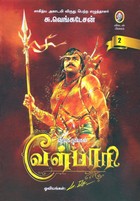
வீரயுக நாயகன் வேள்பாரி, முதல் தொகுதி

"சங்க இலக்கியப் பாடல்களின் வழியாக, ஒரு பூவின் மகரந்தத் துகள் அளவிற்கு மட்டுமே கிட்டும் வரலாற்று நுண்குறிப்புகளைக்கொண்டு, யூகிக்கவியலாத பெருங்காடே புனையப்பட்டிருக்கிறது.<…
4.08/5 · 300+ ratings