நைன் ருபீஸ் அன் ஹவர்: டிஸப்பியரிங் லைவ்லிஹூட்ஸ் ஆஃப் தமிழ் நாடு
Nine Rupees an Hour: Disappearing Livelihoods of Tamil Nadu
Check Price on Amazon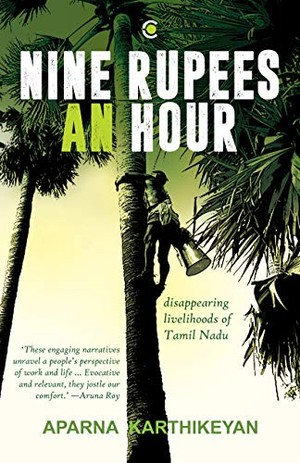
Select a cover image
Searching for images...
Saving cover image...
எங்கு வாங்கலாம்
நைன் ருபீஸ் அன் ஹவர்: டிஸப்பியரிங் லைவ்லிஹூட்ஸ் ஆஃப் தமிழ் நாடு
Nine Rupees an Hour: Disappearing Livelihoods of Tamil Nadu
- பக்கங்கள்
- 360
- வடிவம்
- Kindle Edition
- பதிப்பகம்
- Westland Publications
- ISBN-13
- 9789388754507
- ASIN
- B07XD5649L
In a rapidly urbanising nation, rural India is being erased from the popular imagination. Through her five years of travelling across the villages of Tamil Nadu, Aparna Karthikeyan gets to know men and women who do exceptional—yet perfectly ordinary—things to earn a living. She documents, through ten of these stories, the transformations, aspirations and disruptions of the last twenty-five years.…
Quotes
India is triply disadvantaged. As in many other societies, we suffer from the “head versus hand” hierarchy, which ascribes higher status to purely mental work over work that requires physical labour. In India, that hierarchy is also encoded in caste, with mental labour assigned to dominant castes and physical labour assigned to oppressed ones.
A widely held Western idea of art is to restrict anything utilitarian to the realm of craft, says Sainath. ‘A product of craft is something which has constant and wide replication, a specific use, plus a restricted number of patterns. The main differentiation made by many is to look at art as creative, and craft—even when highly skilled—as mechanical and unthinking.
P. Sainath says, 'What we need to do is not just destroy the caste hierarchy but simultaneously create respect for the work and labour that people do, for what they produce. I have always maintained that untouchability is not just a social evil. It’s more than that. It’s an extremely cruel, vicious but sophisticated form of exploitation by which we keep a large labour force permanently demoralised, humiliated and dependent. So we need to destroy the feudal relations of production completely; we need to accept that if a son or daughter of a potter, weaver or leather worker do not want to be in that field, it’s a perfectly legitimate need of theirs and they cannot under any circumstance be compelled. You need to break down the caste hierarchy and when you bring respect and economic returns for that skill, who knows—many other children in the village might want to do it.
Look at the way we’ve destroyed weaving. Several weavers, who for countless years made the famous Kanjeevaram saree, are driving autorickshaws in Kanchi and Chennai, and this is called reskilling. These individuals hold within them cumulatively thousands of years of skill, knowledge and experience. We simply do not respect labour, we don’t give dignity to those who do this beautiful work.
However, there are also professions and occupations that you want to see dead. I don’t want to see anybody take up or inherit manual scavenging. It is the greatest assault on human dignity that you can think of in a structured way. And it is perpetrated because we are somehow very comfortable with the idea of using the children of our poor to do the dirty work for us. So there are professions that have to be completely destroyed. And there are professions, occupations and livelihoods that have to be preserved. But not as they were in their old context but recreated in a new one.
We have been controlling the price of agricultural commodities, so that a larger number of people get cheaper grains. This has affected the farmers badly. The erstwhile finance minister Arun Jaitley said that the number of people involved in farming has to reduce like in other countries. They cite the USA as an example—only 2 per cent of the people are involved in farming, why should 50 per cent of the people do it here? But our country is different. Farming alone is going to get you food. Tomorrow, if there is an even bigger crisis and we become dependent—that is what WTO [World Trade Organisation] wants—the solution is to import, as it’s cheaper. But the moment you become an importer, the prices will keep changing and there will be another crisis.
Shelves
More like this
கருக்கு
தமிழ்நாட்டின் ஒரு சிறு கிராமத்தில் பறையர் சமூகத்தில் பிறந்த ஒரு சிறுமி, தன் குழந்தைப் பருவத்திலேயே சாதியின் கொடுமையை நேரில் உணர்கிறாள். ஒரு பெரியவர் உயர்சாதிக்காரனுக்க…

கருக்கு
தமிழின் முதல் தலித் பெண் தன்வரலாற்று நாவலாகக் கருதப்படும் இந்நூல், ஒடுக்கப்பட்ட சமூகத்தின் வலிகளையும் போராட்டங்களையும் மிக நெருக்கமாகவும் நேர்மையாகவும் பதிவு செய்கிறது. ஆச…
வந்தார்கள் வென்றார்கள்
இந்திய வரலாற்றின் ஒரு முக்கியப் பகுதியை, குறிப்பாக முகலாயர்களின் வருகையையும் அவர்களின் எழுச்சியையும் விறுவிறுப்பான கதையோடு விவரிக்கும் ஒரு காலப்படைப்பு இது. வரலாற்றை…
கி.மு கி.பி
குமுதம் இதழில் தொடராக வெளிவந்து வாசகர்களிடையே பெரும் வரவேற்பைப் பெற்ற இந்த நூல், உலக வரலாற்றின் சுவாரசியமான பக்கங்களை எளிய நடையில் விவரிக்கிறது. மனித நாகரிகத்தின் த…
அர்த்தமுள்ள இந்து மதம், பாகங்கள் 1-10
கவிஞரின் ஆழமான ஆன்மீகத் தேடலையும், வாழ்வியல் அனுபவங்களையும் ஒருங்கே வழங்கும் ஒரு பொக்கிஷமாக இந்தப் படைப்பு திகழ்கிறது. இந்து மதத்தின் தத்துவங்கள், சடங்குகள் மற்றும் ஆச்சாரங்க…
The Idol Thief
Subhash Kapoor was a New York-based antique dealer whose pieces can be seen in every major museum of the world. In October 2011 when he presented …
கட்-அவுட்ஸ், காஸ்ட் அண்ட் சினிமா ஸ்டார்ஸ்
Tamil Nadu is a state very different from the rest of India, both culturally and historically. It has retained a fundamentally separate identity f…
வந்தார்கள் வென்றார்கள்
ஆனந்த விகடன் வெளியீடுகளின் இணை ஆசிரியராக இருபத்தைந்து ஆண்டுகளுக்கு மேல் பணியாற்றிய மதன், ஒரு சிறந்த கார்ட்டூனிஸ்ட் மட்டுமல்ல, உண்மையில் அவர் பல திறமைகளைத் தன்னகத்தே மறைத்…
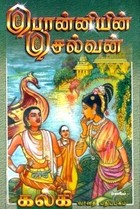
பொன்னியின் செல்வன், முழுத்தொகுப்பு
இது கி.பி. 1000-ஆம் ஆண்டு வாக்கில் சோழப் பேரரசின் பொற்காலத்தை அடிப்படையாகக் கொண்டு பின்னப்பட்ட ஒரு புகழ்பெற்ற வரலாற்றுப் புதினமாகும். அரியணையைக் கைப்பற்ற நடக்கும் சூழ்ச்சிக…
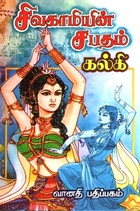
சிவகாமியின் சபதம்
ஏழாம் நூற்றாண்டின் தென்னிந்திய வரலாற்றைப் பின்னணியாகக் கொண்டு எழுதப்பட்ட இந்த உன்னதப் படைப்பு, பல்லவப் பேரரசுக்கும் சாளுக்கியர்களுக்கும் இடையே நடந்த வரலாற்றுப் போர்களை மையமாகக்…
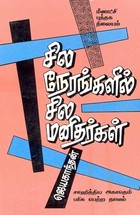
சில நேரங்களில் சில மனிதர்கள்
தமிழ் இலக்கிய உலகின் மைல்கல்லாகக் கருதப்படும் இந்த நாவல், சமூகத்தின் போலித்தனங்களையும் மனித உறவுகளின் சிக்கல்களையும் ஆழமாகப் பேசுகிறது. 'அக்னிப் பிரவேசம்' என்ற சிறுகதையின்…
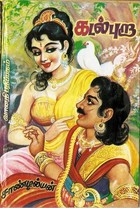
கடல் புறா, பாகம் 1
சோழப் பேரரசின் கடல் ஆதிக்கத்தையும், கடற்படை வலிமையையும் கண்முன்னே நிறுத்தும் ஒரு உன்னதமான வரலாற்றுப் புதினம் இதுவாகும். ஸ்ரீவிஜய நாட்டு இளவரசிக்கு உதவும் நோக்கில் புறப்பட…